Blog

  • 10 Proven Secrets Real Estate Agents Use to Sell Homes Faster and for Higher Prices

    10 Proven Secrets Real Estate Agents Use to Sell Homes Faster and for Higher Prices

    Introduction

    Selling a home quickly and at the best possible price is not simply a matter of putting a “for sale” sign in the yard. Successful real estate agents use carefully planned strategies to attract buyers, increase property appeal, and create competition in the market. These professionals understand buyer psychology, market trends, and marketing techniques that make a property stand out among many listings.

    Many homeowners believe the selling process depends mainly on market conditions. While the market certainly plays a role, the strategies used to present and promote the property often make an even bigger difference. A well-prepared home with the right pricing and marketing approach can sell faster and at a higher value than similar homes in the same neighborhood.

    Professional agents focus on details that many sellers overlook. From staging and photography to strategic pricing and negotiation, each step contributes to the final selling price and speed of the transaction.

    Learning the secrets used by experienced real estate agents can help homeowners prepare their property properly and increase their chances of achieving a successful sale.

    Understanding the Local Real Estate Market

    One of the most powerful tools real estate agents use is a deep understanding of the local housing market. Before listing a home, experienced agents study neighborhood trends, recent property sales, and current buyer demand.

    This market knowledge helps determine the best pricing strategy and marketing approach for the property. If demand is high in a particular area, agents may create competitive pricing strategies to attract multiple buyers.

    Understanding the market also helps agents identify the type of buyers most interested in the property. This information allows them to target the right audience through advertising and promotion.

    Accurate market knowledge ensures the home is positioned correctly and attracts serious buyers quickly.

    Setting the Right Listing Price

    Pricing a property correctly is one of the most important decisions when selling a home. Many homeowners are tempted to list their property at a higher price, hoping buyers will negotiate.

    However, experienced agents know that overpricing often scares away potential buyers. Homes that remain on the market too long may lose credibility and attract lower offers later.

    Agents analyze comparable sales, property features, and market demand to determine the ideal listing price. A well-priced home attracts more attention and increases the likelihood of multiple offers.

    When buyers compete for a property, the final selling price can often exceed the original expectations.

    Improving First Impressions with Curb Appeal

    First impressions play a huge role in the home selling process. When potential buyers arrive at a property, the exterior appearance immediately influences their opinion.

    Real estate agents often recommend simple improvements such as landscaping, fresh paint, clean driveways, and well-maintained gardens. These small upgrades can dramatically increase the attractiveness of the property.

    A welcoming entrance creates a positive emotional response before buyers even step inside the home.

    By enhancing curb appeal, sellers can create a strong first impression that encourages buyers to explore the property further.

    Professional Home Staging

    Home staging is one of the most effective strategies agents use to increase property value. Staging involves arranging furniture, decorations, and lighting to make the home appear more spacious and inviting.

    Professionally staged homes allow buyers to imagine themselves living in the space. Neutral colors, minimal clutter, and carefully placed decor create a warm and appealing environment.

    Staging also highlights the home’s best features while minimizing less attractive areas.

    This strategy often results in faster sales and higher offers because buyers emotionally connect with the property.

    Using High Quality Photography

    In today’s digital world, most buyers begin their home search online. This makes high-quality photography extremely important in real estate marketing.

    Professional photographers capture well-lit and visually appealing images that showcase the home’s best features. Wide-angle shots and balanced lighting make rooms appear larger and more inviting.

    Poor quality photos can cause buyers to ignore a listing completely, even if the property itself is attractive.

    Agents who invest in professional photography ensure the property stands out in online listings and attracts more potential buyers.

    Creating Compelling Property Descriptions

    A strong property description can significantly influence buyer interest. Skilled agents craft detailed descriptions that highlight the most attractive aspects of the home.

    Instead of simply listing features, they emphasize lifestyle benefits such as spacious living areas, modern kitchens, or convenient locations.

    This storytelling approach helps buyers visualize the advantages of owning the property.

    An engaging description encourages buyers to schedule viewings and increases the likelihood of receiving serious offers.

    Strategic Online Marketing

    Modern real estate marketing relies heavily on digital platforms. Experienced agents promote properties through multiple online channels to reach a wider audience.

    Listings may appear on property websites, social media platforms, and targeted advertising campaigns.

    Digital marketing allows agents to reach buyers who may not be actively searching but could become interested when they see an appealing property.

    This broad exposure increases the number of potential buyers and improves the chances of selling the home quickly.

    Hosting Effective Open Houses

    Open houses provide an opportunity for buyers to explore the property in a relaxed environment. Real estate agents carefully prepare these events to create a welcoming atmosphere.

    Clean spaces, pleasant scents, and well-lit rooms help buyers feel comfortable during their visit.

    Agents also use open houses to gather feedback from potential buyers about the property’s strengths and weaknesses.

    This information can help sellers make adjustments that improve the chances of a successful sale.

    Highlighting Unique Property Features

    Every home has features that make it special. Skilled agents identify these unique qualities and highlight them during marketing.

    Features such as energy-efficient appliances, renovated kitchens, scenic views, or spacious outdoor areas can significantly attract buyers.

    Emphasizing these elements helps differentiate the property from competing listings.

    When buyers recognize the unique value of a home, they may be more willing to offer a higher price.

    Decluttering and Depersonalizing the Space

    One common recommendation from real estate agents is removing clutter and personal items before showing the home.

    Family photos, excessive decorations, and crowded furniture can distract buyers from the property itself.

    A clean and neutral space allows buyers to imagine their own lifestyle in the home.

    This simple step makes rooms appear larger, brighter, and more appealing during property viewings.

    Timing the Listing Strategically

    The timing of a property listing can influence how quickly it sells. Certain seasons and market conditions attract more buyers.

    Spring and early summer are often considered ideal times to sell because families prefer to move during school holidays.

    Experienced agents monitor local market activity to determine the best time to list a property.

    Strategic timing increases exposure and improves the chances of attracting multiple buyers.

    Offering Flexible Viewing Options

    Buyers often have busy schedules, which means limited availability for property viewings.

    Agents who offer flexible viewing times make it easier for interested buyers to see the property.

    Evening and weekend showings increase the number of potential visitors.

    Greater accessibility increases the likelihood of receiving offers more quickly.

    Addressing Minor Repairs Before Listing

    Small maintenance issues can create negative impressions during property viewings.

    Agents often recommend fixing minor problems such as leaking faucets, damaged paint, or broken fixtures before listing the home.

    These repairs show buyers that the property has been well maintained.

    A well-maintained home builds buyer confidence and reduces negotiation pressure during the sale.

    Using Competitive Marketing Techniques

    Real estate agents often use competitive marketing techniques to create excitement around a listing.

    Limited-time offers, exclusive previews, and targeted promotions can attract serious buyers.

    Creating urgency encourages buyers to act quickly rather than delaying their decision.

    This strategy can lead to faster sales and stronger offers.

    Leveraging Social Media Exposure

    Social media has become an essential marketing tool in real estate.

    Agents share property listings through platforms such as Facebook, Instagram, and YouTube to reach thousands of potential buyers.

    Video tours, live walkthroughs, and engaging posts increase online engagement.

    Greater exposure often leads to higher interest and faster property sales.

    Understanding Buyer Psychology

    Experienced agents understand how buyers think and what motivates them to make decisions.

    Emotional factors such as comfort, lifestyle, and convenience play a significant role in property purchases.

    By presenting the home in a way that appeals to these emotions, agents can influence buyer perceptions.

    Understanding buyer psychology helps agents position the property as an attractive and valuable opportunity.

    Creating a Sense of Urgency

    When buyers believe a property may sell quickly, they are more likely to submit offers promptly.

    Agents sometimes highlight strong interest from other buyers to create this sense of urgency.

    This technique encourages buyers to act decisively rather than waiting too long.

    Urgency often leads to faster transactions and competitive bidding.

    Strong Negotiation Skills

    Negotiation is one of the most valuable skills a real estate agent brings to the selling process.

    Agents work to secure the best possible price while maintaining positive communication with buyers.

    They understand how to handle counteroffers, contract conditions, and buyer concerns.

    Effective negotiation can significantly increase the final selling price of a property.

    Building Buyer Confidence

    Buyers are more comfortable making large financial decisions when they trust the property and the process.

    Agents build confidence by providing clear information, professional marketing, and transparent communication.

    This trust encourages buyers to move forward with their offers.

    Confidence often results in smoother negotiations and faster closing processes.

    Continuous Market Monitoring

    Even after listing a property, experienced agents continue monitoring market conditions.

    If similar homes sell quickly or market demand changes, agents may adjust pricing or marketing strategies.

    This flexibility ensures the property remains competitive.

    Constant market awareness helps maintain strong buyer interest throughout the selling process.

    Conclusion

    Selling a home quickly and at the best possible price requires more than simply listing it on the market. Successful real estate agents rely on proven strategies that combine market knowledge, effective marketing, strong negotiation skills, and careful property preparation.

    From professional staging and photography to strategic pricing and digital marketing, each step contributes to attracting buyers and increasing the perceived value of the property. By applying these expert techniques, homeowners can significantly improve their chances of achieving a faster and more profitable sale.

    Understanding the methods used by experienced agents allows sellers to approach the real estate market with confidence and make informed decisions that maximize their property’s potential.

    FAQs

    Why do some homes sell faster than others?
    Homes that are properly priced, well-presented, and marketed effectively usually attract more buyers and sell faster.

    Is home staging really necessary when selling a property?
    Yes, staging helps buyers visualize the space and often increases the home’s perceived value.

    How important is online marketing for selling homes?
    Online marketing is extremely important because most buyers begin their property search on the internet.

    Should I renovate my home before selling it?
    Minor repairs and cosmetic improvements can help increase buyer interest and improve the selling price.

    What role does a real estate agent play in negotiations?
    Agents negotiate with buyers to secure the best possible price and ensure favorable contract terms.
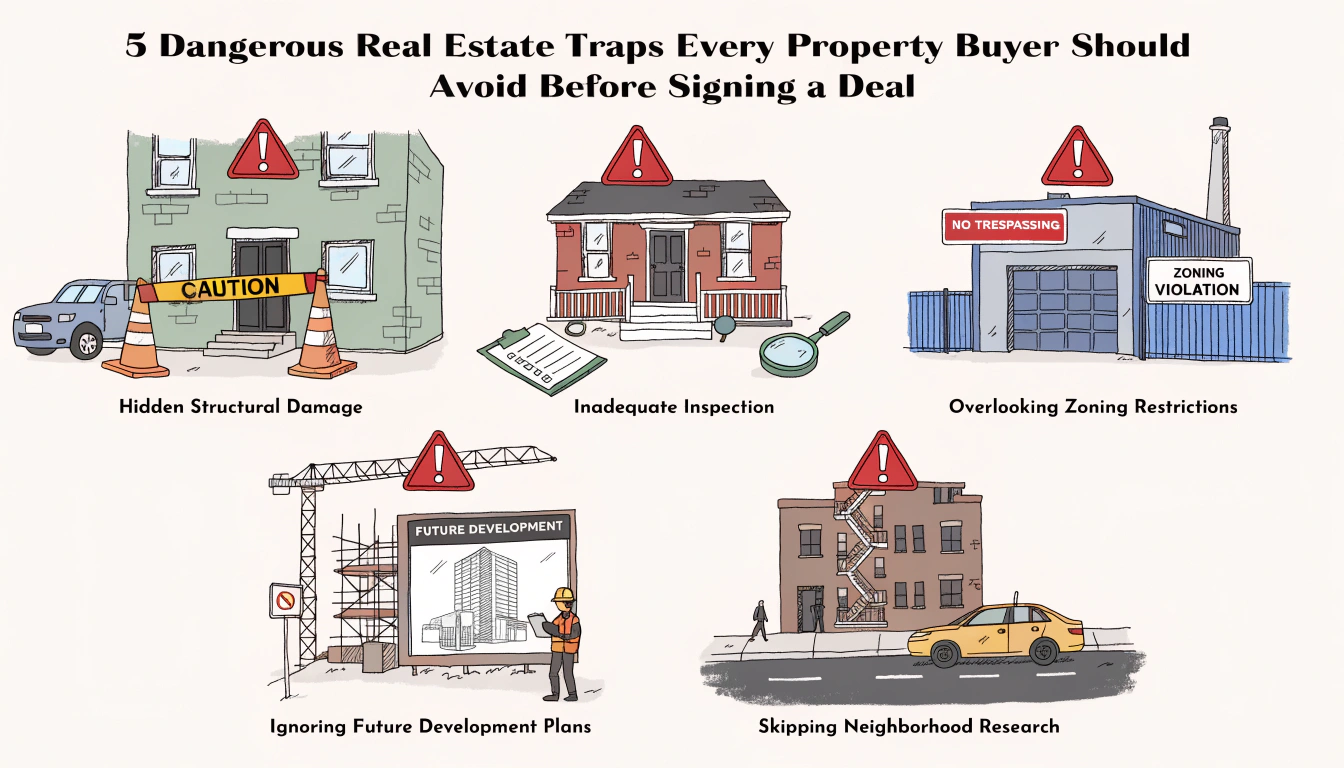

  • 5 Dangerous Real Estate Traps Every Property Buyer Should Avoid Before Signing a Deal

    5 Dangerous Real Estate Traps Every Property Buyer Should Avoid Before Signing a Deal

    Introduction

    Buying property is one of the most important financial decisions most people make in their lives. Whether it is your first home or an investment property, the excitement of owning real estate can sometimes make buyers overlook serious risks. Many buyers focus only on the price or appearance of a property and forget to analyze the hidden factors that can create long-term problems.

    Real estate transactions involve complex legal, financial, and structural details. If a buyer fails to examine these carefully, the result can be unexpected expenses, legal disputes, or even financial loss. Unfortunately, many of these issues only become visible after the deal has been signed and the money has been paid.

    The good news is that most property traps can be avoided with proper research, patience, and professional guidance. Understanding common mistakes helps buyers make smarter decisions and avoid costly regrets.

    This guide explains some of the most dangerous real estate traps every property buyer should recognize before signing a deal. Learning about these risks can protect your investment and ensure that your property purchase becomes a long-term success rather than a financial burden.

    Rushing Into a Property Purchase

    One of the biggest mistakes buyers make is rushing into a deal. The fear of missing out often pushes people to sign contracts quickly without carefully evaluating the property. Real estate markets can move fast, but making a rushed decision can lead to serious problems later.

    When buyers act too quickly, they may skip important steps such as inspections, market comparisons, or legal reviews. This can result in purchasing a property with hidden structural problems or an inflated price.

    Taking time to evaluate different properties allows buyers to compare options and identify the best opportunity. A thoughtful approach helps ensure that the final decision is based on logic rather than emotion.

    Patience is one of the most valuable tools in real estate. Waiting for the right opportunity can save thousands of dollars and prevent years of financial stress.

    Ignoring Property Inspection Results

    Many buyers underestimate the importance of a professional property inspection. Some people skip inspections to save time or money, but this decision can be extremely risky.

    A detailed inspection reveals issues such as foundation cracks, electrical faults, plumbing leaks, roof damage, and pest infestations. These problems are often invisible during a casual property viewing.

    Without an inspection report, buyers may discover expensive repairs only after moving in. In severe cases, structural damage can cost tens of thousands of dollars to fix.

    Hiring a qualified inspector provides a clear understanding of the property’s condition. This knowledge allows buyers to negotiate repairs, request price reductions, or even walk away from a risky deal.

    Overlooking Legal Ownership Issues

    Property ownership disputes can create serious legal complications. Some buyers fail to verify whether the seller actually has the legal right to transfer ownership.

    Issues such as incomplete documentation, unpaid taxes, or disputes among heirs can delay or cancel the transaction. In worst-case scenarios, buyers may lose access to the property entirely.

    Before signing any agreement, it is essential to review the property title carefully. A real estate lawyer or legal expert can confirm that the ownership documents are authentic and free from disputes.

    Verifying legal ownership protects buyers from fraud and ensures that the property transfer process is smooth and secure.

    Underestimating Hidden Costs

    Many buyers focus only on the purchase price and forget about additional expenses. However, property ownership involves numerous hidden costs that can significantly affect your budget.

    These costs may include property taxes, insurance, maintenance, repairs, homeowners association fees, and utility upgrades. Renovations and unexpected repairs can also increase financial pressure.

    Failing to plan for these expenses can make a seemingly affordable property difficult to manage financially.

    Smart buyers always calculate the total cost of ownership before signing a deal. Understanding these expenses helps prevent unpleasant financial surprises later.

    Falling for Unrealistic Investment Promises

    Real estate advertisements often highlight high returns and rapid property appreciation. While some properties do generate strong profits, unrealistic promises should always be viewed with caution.

    Developers or sellers may exaggerate rental income projections or future property values to attract buyers. Relying on these claims without independent research can lead to poor investment decisions.

    Buyers should always verify market trends, rental demand, and neighborhood development plans before believing such promises.

    Real estate success depends on accurate information, not marketing hype. Careful analysis helps buyers identify genuine investment opportunities.

    Choosing the Wrong Location

    Location is one of the most important factors in real estate value. A beautiful property in a poor location may struggle to attract buyers or tenants.

    Some buyers focus too much on the property itself and ignore the surrounding neighborhood. Factors such as safety, schools, transportation, and nearby amenities greatly influence property demand.

    A property located in a declining area may experience slow price growth or even lose value over time.

    Researching the neighborhood carefully ensures that the location supports both lifestyle needs and long-term investment potential.

    Ignoring Market Trends

    Real estate markets constantly change due to economic conditions, interest rates, and population growth. Buyers who ignore these trends risk making poorly timed investments.

    For example, purchasing property during a market peak can result in overpaying. On the other hand, buying in an emerging market may offer strong future growth.

    Studying recent sales data and price trends helps buyers understand whether the market favors buyers or sellers.

    This knowledge allows buyers to negotiate better deals and make smarter investment decisions.

    Signing Contracts Without Reading Them

    Real estate contracts often contain complex legal language that many buyers do not fully understand. Signing documents without reading them carefully can lead to serious consequences.

    Important clauses related to payment schedules, penalties, repair responsibilities, and cancellation rights may be hidden in the fine print.

    Buyers should always review contracts thoroughly before signing. Consulting a legal professional ensures that the terms are fair and clearly understood.

    Taking the time to understand the contract protects buyers from unexpected obligations and legal disputes.

    Overextending Your Financial Capacity

    Buying a property that stretches your finances too far is a dangerous trap. Many buyers become emotionally attached to properties and agree to prices beyond their comfortable budget.

    High mortgage payments combined with maintenance costs can create long-term financial stress.

    Financial experts recommend leaving room in your budget for emergencies and future expenses.

    A property purchase should strengthen your financial stability, not weaken it. Staying within your budget ensures a more secure investment.

    Ignoring Future Development Plans

    Future development projects can significantly influence property value. Infrastructure improvements such as highways, public transportation, and shopping centers can increase property demand.

    However, negative developments like industrial projects or noisy highways may reduce property desirability.

    Buyers who fail to research local development plans risk purchasing properties that lose value over time.

    Checking municipal planning information helps buyers understand how the area may change in the future.

    Trusting Verbal Promises

    Verbal assurances from sellers or agents should never replace written agreements. Some buyers rely on promises about repairs, upgrades, or property features that are never documented.

    Without written confirmation, these promises are difficult to enforce legally.

    All agreements related to property condition, renovations, or financial arrangements should be included in the official contract.

    Written documentation ensures accountability and prevents misunderstandings after the deal is completed.

    Skipping Professional Advice

    Real estate transactions involve legal, financial, and technical complexities. Buyers who attempt to manage everything alone may overlook critical details.

    Professionals such as real estate agents, lawyers, and property inspectors provide valuable expertise that protects buyers from costly mistakes.

    While professional services involve fees, they often save far more money in the long run by preventing serious problems.

    Seeking expert guidance is a smart investment in the safety of your property purchase.

    Focusing Only on Property Appearance

    Beautiful interior design and fresh paint can easily impress buyers. However, appearance does not always reflect the true condition of a property.

    Some sellers renovate visible areas while ignoring structural problems behind walls or beneath floors.

    Buyers should always look beyond cosmetic features and evaluate the property’s overall condition.

    A well-maintained structure is far more valuable than attractive decoration alone.

    Ignoring Rental Potential

    Even if buyers plan to live in the property themselves, considering rental potential is wise. Life circumstances may change, and the ability to rent out the property can provide financial flexibility.

    Properties located near universities, business districts, or transportation hubs often attract strong rental demand.

    Ignoring rental potential may limit future financial opportunities.

    Evaluating rental demand ensures that the property remains valuable in multiple situations.

    Overlooking Resale Value

    A property purchase should also consider future resale opportunities. Buyers sometimes select homes based only on personal preferences without thinking about future buyers.

    Features such as location, layout, and neighborhood reputation strongly influence resale value.

    Properties with broad market appeal tend to sell faster and at better prices.

    Considering resale potential protects your investment over the long term.

    Not Comparing Multiple Properties

    Some buyers purchase the first property they see because it feels convenient. However, comparing multiple options often reveals better opportunities.

    Viewing different properties helps buyers understand market pricing and identify unique advantages or disadvantages.

    This comparison process increases confidence in the final decision.

    Exploring several options ensures that buyers choose the best property available within their budget.

    Failing to Negotiate the Price

    Negotiation is a normal part of real estate transactions, yet many buyers hesitate to negotiate. Sellers often expect price discussions, especially when inspections reveal problems.

    A successful negotiation can reduce the purchase price or include repairs and upgrades.

    Buyers who accept the initial price without discussion may miss valuable savings opportunities.

    Understanding negotiation strategies helps buyers secure better deals.

    Ignoring Long-Term Maintenance Needs

    Every property requires maintenance over time. Roof replacement, plumbing upgrades, and exterior repairs are common long-term expenses.

    Buyers who ignore these responsibilities may struggle with unexpected repair costs later.

    Evaluating the age and condition of major systems helps estimate future maintenance expenses.

    Proper planning ensures that the property remains safe, functional, and financially manageable.

    Emotional Decision Making

    Buying property is often an emotional experience. Buyers may fall in love with a house and ignore warning signs.

    Emotional decisions can lead to overpaying or accepting unfavorable terms.

    Successful buyers balance emotional preferences with practical analysis.

    Maintaining objectivity helps ensure that the purchase is financially sound.

    Not Preparing for Market Changes

    Real estate markets are influenced by economic conditions, interest rates, and government policies. Buyers should prepare for possible market fluctuations.

    Property values may increase or decrease over time, and mortgage rates can change significantly.

    Understanding these risks helps buyers create flexible financial plans.

    Prepared investors are better equipped to handle market changes without panic.

    Conclusion

    Buying real estate is a major financial commitment, and avoiding common traps is essential for protecting your investment. Many property buyers face costly problems simply because they rushed decisions or ignored important details during the purchasing process.

    By carefully researching the market, reviewing legal documents, conducting inspections, and seeking professional guidance, buyers can significantly reduce risks. Patience and thorough analysis allow investors and homeowners to identify properties that truly match their goals and financial capabilities.

    A well-planned property purchase not only provides a safe place to live or invest but also creates long-term financial security. Understanding these dangerous real estate traps ensures that your next property deal becomes a smart and rewarding decision.

    FAQs

    What is the biggest mistake property buyers make?
    One of the biggest mistakes is rushing into a purchase without conducting proper research, inspections, and financial analysis.

    Why is a property inspection important?
    An inspection reveals hidden structural or mechanical problems that could require expensive repairs after purchase.

    Should buyers always hire a real estate lawyer?
    Hiring a lawyer helps review contracts, verify ownership documents, and ensure the transaction follows legal requirements.

    How can buyers avoid overpaying for property?
    Comparing similar property sales, studying market trends, and negotiating the price can help buyers avoid paying too much.

    Is location really that important in real estate?
    Yes, location strongly influences property value, rental demand, resale potential, and long-term appreciation.

    Tags

    real estate buying tips, property investment mistakes, home buying guide, real estate traps, property purchase advice, real estate investment risks, home buyer mistakes, property deal tips, real estate safety tips, property buying strategy

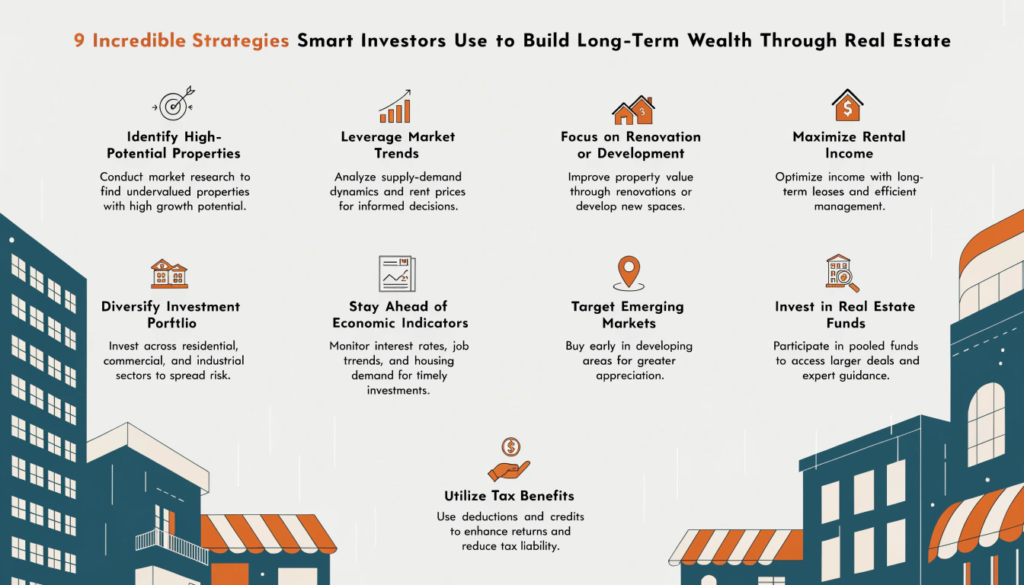
  • 9 Incredible Strategies Smart Investors Use to Build Long-Term Wealth Through Real Estate

    9 Incredible Strategies Smart Investors Use to Build Long-Term Wealth Through Real Estate

    Introduction

    Real estate has long been considered one of the most reliable ways to build long-term wealth. Smart investors understand that property investments can provide consistent cash flow, appreciation, and financial security over time. Unlike many other investments, real estate offers tangible value and multiple income opportunities.

    Whether you are a beginner or an experienced investor, understanding the right strategies can make a significant difference in your financial success. By following proven investment methods, many investors have turned modest property purchases into powerful wealth-building portfolios.

    In this guide, we will explore 9 incredible strategies smart investors use to build long-term wealth through real estate, along with practical insights that can help you make smarter investment decisions.

    Understanding the Power of Real Estate Investment

    Real estate investment is one of the most powerful wealth-building tools available. Property ownership allows investors to benefit from both rental income and property appreciation over time. Unlike stocks that can fluctuate quickly, real estate typically grows in value steadily when purchased in the right market.

    Smart investors understand that patience is key. Real estate wealth rarely happens overnight, but consistent investments can create massive financial stability over time. When investors hold properties for many years, they benefit from increasing property values, rising rental income, and reduced loan balances.

    In addition, real estate provides a hedge against inflation. As living costs increase, property values and rental prices usually rise as well. This makes real estate one of the most reliable long-term investment options.

    Choosing the Right Location for Property Investment

    Location is one of the most important factors in successful real estate investing. Smart investors focus on areas with strong economic growth, good infrastructure, and increasing population demand.

    Properties located near schools, business districts, transportation hubs, and shopping centers usually attract higher demand. These areas also tend to experience faster appreciation in property value over time.

    Experienced investors study local market trends before purchasing a property. They analyze factors such as employment rates, new developments, and rental demand. A good location can dramatically increase the long-term profitability of a real estate investment.

    Investing in Rental Properties for Passive Income

    Rental properties are one of the most popular strategies used by real estate investors. By purchasing properties and renting them to tenants, investors create a steady stream of passive income.

    This income can help cover mortgage payments, maintenance costs, and even generate additional monthly profit. Over time, rental income may increase while mortgage balances decrease, improving overall returns.

    Many investors build wealth by gradually expanding their rental property portfolio. With multiple properties generating income, investors can achieve financial stability and long-term financial independence.

    Leveraging Mortgage Financing to Grow Investments

    Smart investors often use leverage to increase their investment potential. Instead of paying the full price for a property, they use mortgage financing to acquire valuable assets.

    By putting down a smaller amount of capital, investors can control larger properties and benefit from full property appreciation. This allows them to build a portfolio faster than purchasing properties with cash alone.

    Leverage also increases return on investment when property values rise. However, successful investors carefully manage their financing to ensure that rental income covers loan payments and expenses.

    Buying Undervalued Properties

    Another powerful wealth-building strategy is purchasing undervalued properties. These properties may require repairs, renovations, or improved management.

    Smart investors identify opportunities where the property price is lower than the potential market value. After making improvements, they can increase the property’s worth significantly.

    This strategy, often known as value-added investing, allows investors to build equity quickly. Many successful real estate investors have grown their portfolios by identifying and transforming undervalued properties.

    House Hacking for Beginner Investors

    House hacking is a popular strategy for beginner real estate investors. This involves purchasing a multi-unit property, living in one unit, and renting out the others.

    The rental income from other tenants can help cover mortgage payments and living expenses. In some cases, investors may even live rent-free while building equity in the property.

    This approach allows beginners to enter the real estate market with lower financial risk. Over time, investors can move into another property and repeat the process to grow their investment portfolio.

    Long-Term Property Appreciation Strategy

    Real estate values generally increase over time, especially in growing markets. Smart investors focus on properties that are likely to appreciate due to economic development and population growth.

    Holding properties for the long term allows investors to maximize appreciation gains. Even moderate annual increases in property value can result in substantial wealth over decades.

    Investors who adopt a long-term mindset avoid frequent buying and selling. Instead, they focus on holding valuable assets and allowing market growth to increase their wealth.

    Diversifying Real Estate Investments

    Diversification is a key principle in any successful investment strategy. Smart real estate investors often invest in different types of properties to reduce risk.

    This may include residential homes, apartment buildings, commercial spaces, and vacation rentals. Each property type has unique benefits and income opportunities.

    By diversifying their portfolio, investors protect themselves from market fluctuations. If one property sector slows down, others may continue generating income.

    Using Professional Property Management

    Managing multiple properties can become time-consuming. Many investors hire professional property management companies to handle tenant screening, maintenance, and rent collection.

    This allows investors to focus on expanding their portfolio instead of dealing with daily management tasks. Professional management also improves tenant satisfaction and property upkeep.

    With reliable management, investors can scale their investments more efficiently and maintain consistent income from their properties.

    Understanding Market Cycles

    Real estate markets move in cycles that include growth, stability, and decline phases. Smart investors study these cycles carefully before making investment decisions.

    Buying properties during market downturns can provide excellent opportunities. When the market recovers, property values often rise significantly.

    Understanding market timing helps investors avoid overpaying for properties and maximize long-term profits.

    Building Strong Financial Planning

    Successful investors always plan their finances carefully before purchasing property. They calculate potential rental income, maintenance costs, taxes, and mortgage payments.

    Having a clear financial plan reduces risks and ensures that investments remain profitable. Smart investors also maintain cash reserves for unexpected expenses.

    Proper financial management plays a crucial role in long-term real estate success.

    Renovating to Increase Property Value

    Renovation can significantly improve the value of a property. Strategic upgrades such as modern kitchens, bathrooms, and energy-efficient features attract better tenants and buyers.

    These improvements often increase rental income and resale value. Smart investors focus on renovations that provide the highest return on investment.

    Carefully planned upgrades can transform average properties into high-value assets.

    Investing in Emerging Markets

    Many experienced investors search for emerging real estate markets with strong growth potential. These areas often have lower property prices but high future demand.

    Cities experiencing population growth, infrastructure development, and new businesses offer attractive investment opportunities.

    Early investments in such markets can lead to significant long-term profits.

    Maintaining Properties Properly

    Property maintenance plays an important role in protecting investment value. Well-maintained properties attract better tenants and reduce repair costs over time.

    Regular inspections, timely repairs, and quality upgrades ensure that the property remains competitive in the market.

    Smart investors understand that good maintenance preserves both property value and rental income.

    Building a Reliable Investment Team

    Real estate investing often requires a team of professionals including real estate agents, attorneys, contractors, and financial advisors.

    Having a reliable team allows investors to make better decisions and avoid costly mistakes.

    Experienced professionals can also help investors identify profitable opportunities and manage complex transactions.

    Reinvesting Rental Profits

    One of the most effective wealth-building strategies is reinvesting rental profits into additional properties.

    Instead of spending all rental income, smart investors use these funds to grow their portfolio.

    Over time, this compounding strategy can lead to significant financial growth and passive income.

    Using Tax Advantages in Real Estate

    Real estate offers several tax benefits that can improve investment returns. These include depreciation deductions, mortgage interest deductions, and property tax deductions.

    Smart investors work with tax professionals to maximize these benefits legally.

    Tax advantages can significantly increase the overall profitability of real estate investments.

    Monitoring Investment Performance

    Successful investors regularly evaluate the performance of their properties. They analyze rental income, expenses, and market trends.

    This helps them identify underperforming assets and make necessary adjustments.

    Regular monitoring ensures that investments remain profitable and aligned with financial goals.

    Scaling Real Estate Portfolio Gradually

    Building wealth through real estate often involves gradual portfolio expansion. Smart investors start with one property and expand strategically over time.

    This approach allows them to learn from experience and reduce financial risks.

    With careful planning and patience, investors can eventually build a large and profitable property portfolio.

    Staying Patient and Consistent

    Real estate investing is a long-term journey that requires patience and discipline. Market fluctuations may occur, but long-term investors usually benefit from steady growth.

    Consistency in buying quality properties, managing them well, and reinvesting profits leads to financial success.

    Many successful real estate investors built their wealth over decades through disciplined strategies.

    Conclusion

    Real estate remains one of the most powerful methods for building long-term wealth. By following smart investment strategies such as choosing the right location, generating rental income, leveraging financing, and reinvesting profits, investors can create sustainable financial growth.

    Successful real estate investing requires patience, research, and strategic decision-making. Investors who stay committed to these principles often achieve financial independence and long-term security through property ownership.

    FAQs

    1. Is real estate a good investment for long-term wealth?
    Yes, real estate offers rental income, appreciation, and tax benefits, making it one of the best long-term investment options.

    2. How much money do I need to start investing in real estate?
    The amount varies depending on location and property type, but many investors start with a small down payment using mortgage financing.

    3. What is the safest real estate investment strategy?
    Investing in rental properties in strong locations is generally considered one of the safest strategies.

    4. Can beginners succeed in real estate investing?
    Yes, beginners can succeed by learning the market, starting small, and using strategies like house hacking or rental investments.

    5. How long does it take to build wealth through real estate?
    Most investors build significant wealth over 10–20 years through consistent property investments and appreciation.

  • Hello world!

    Welcome to WordPress. This is your first post. Edit or delete it, then start writing!

  • 6 Shocking Home Buying Errors That Can Cost New Buyers Thousands of Dollars

    6 Shocking Home Buying Errors That Can Cost New Buyers Thousands of Dollars

    Introduction

    Buying a home is one of the most exciting milestones in a person’s life. It represents stability, financial growth, and the beginning of a new chapter. However, for many first-time buyers, the process can be overwhelming and full of unexpected challenges. Without proper knowledge and preparation, buyers often make costly mistakes that can affect their finances for years.

    Real estate transactions involve large amounts of money, legal documentation, and long-term commitments. Even small errors during the home buying process can lead to significant financial losses. That is why experienced buyers and real estate professionals always emphasize the importance of careful planning and informed decision-making.

    Understanding the most common home buying mistakes can help new buyers avoid unnecessary stress and protect their investment. In this article, we will explore several shocking home buying errors that can cost new buyers thousands of dollars and explain how to avoid them.

    Ignoring Financial Preparation Before House Hunting

    Many first-time buyers make the mistake of looking for homes before reviewing their financial situation. Without a clear understanding of income, savings, and debt levels, buyers may fall in love with properties they cannot realistically afford. This often leads to disappointment and wasted time during the home search process.

    Financial preparation involves evaluating your credit score, calculating your monthly budget, and understanding how much you can comfortably spend on a mortgage. Buyers who skip this step may struggle to secure financing or end up with loan terms that are not favorable.

    Proper preparation also includes saving for closing costs, inspections, and moving expenses. Taking the time to organize your finances before beginning the search can prevent many expensive mistakes later.

    Skipping Mortgage Pre-Approval

    Another common mistake is starting the home search without obtaining mortgage pre-approval. Pre-approval is a process where a lender reviews your financial information and determines how much they are willing to lend you. Without this step, buyers may waste time viewing homes that are outside their price range.

    Mortgage pre-approval also strengthens your position when making an offer. Sellers are more likely to accept offers from buyers who have already been approved by a lender. It shows that the buyer is serious and financially prepared to complete the purchase.

    Skipping this step can delay the buying process and may even cause buyers to lose a desirable property to another prepared buyer.

    Underestimating the True Cost of Homeownership

    Many buyers focus only on the price of the home and the monthly mortgage payment. However, homeownership includes many additional costs that can quickly add up. Property taxes, homeowners insurance, maintenance, repairs, and utilities all contribute to the overall expense.

    Failing to consider these costs can put significant pressure on a household budget. Some buyers find themselves financially stretched after moving in, which can create long-term stress.

    A smart buyer carefully calculates the total cost of owning a home before making a purchase. This ensures that the investment remains manageable and sustainable.

    Not Hiring a Qualified Real Estate Agent

    Trying to buy a home without professional guidance can lead to serious problems. Real estate agents have extensive knowledge of the market, pricing strategies, and negotiation techniques. Buyers who attempt to handle the process alone often miss important details.

    An experienced agent can help identify fair property values, guide buyers through paperwork, and negotiate better terms with sellers. They can also identify potential issues that inexperienced buyers may overlook.

    Without professional representation, buyers may overpay for a property or miss critical legal protections during the transaction.

    Skipping the Home Inspection

    One of the most dangerous mistakes in real estate is skipping the home inspection. A property may look perfect during a showing, but hidden issues can exist beneath the surface. Structural problems, plumbing issues, or electrical faults can cost thousands of dollars to repair.

    A professional home inspection provides a detailed evaluation of the property’s condition. Inspectors identify potential problems that buyers may not notice during a walkthrough.

    Skipping this step to save money or speed up the process can lead to major repair expenses after moving in.

    Letting Emotions Control the Purchase

    Buying a home is an emotional experience, but decisions driven purely by emotions can be risky. Some buyers become so attached to a property that they ignore warning signs or exceed their budget to secure the home.

    Emotional buying can lead to overpaying or choosing a property that does not truly meet long-term needs. Buyers should approach the process with a balanced mindset and carefully evaluate each property.

    Keeping financial goals and practical needs in focus helps buyers make better investment decisions.

    Not Researching the Neighborhood

    The quality of the neighborhood plays a significant role in a property’s long-term value and livability. Some buyers focus entirely on the house itself and forget to research the surrounding area.

    Important factors include school quality, crime rates, transportation access, and future development plans. A beautiful home in a poorly located neighborhood may not hold its value over time.

    Taking time to explore the area, visit at different times of the day, and speak with residents can provide valuable insights.

    Overlooking Future Resale Value

    Even if buyers plan to live in a home for many years, resale value should always be considered. Market conditions change, and unexpected life events may require selling the property sooner than expected.

    Homes with desirable features such as good location, functional layouts, and nearby amenities tend to attract more buyers in the future.

    Ignoring resale potential can make it harder to sell the property later or reduce the return on investment.

    Making Large Purchases Before Closing

    Some buyers make the mistake of purchasing furniture, cars, or other expensive items before closing on their home. These purchases can affect credit scores and debt-to-income ratios, which lenders carefully monitor.

    Changes in financial circumstances during the loan approval process can cause lenders to reconsider or even cancel the mortgage approval.

    Buyers should avoid making major financial changes until the home purchase is fully completed.

    Failing to Read the Contract Carefully

    Real estate contracts are complex legal documents that contain important details about the transaction. Some buyers sign paperwork without fully understanding the terms.

    Contract clauses may include contingencies, deadlines, and responsibilities for both parties. Missing these details can create legal complications or unexpected financial obligations.

    Carefully reviewing the contract with a real estate professional or attorney can prevent costly misunderstandings.

    Overbidding in Competitive Markets

    In competitive markets, buyers may feel pressure to submit very high offers to secure a property. While this may win the deal, it can also result in paying significantly more than the property’s true value.

    Overbidding can create financial strain and reduce future investment returns. Buyers should base their offers on market research and professional advice rather than emotions.

    Maintaining discipline during negotiations is essential for making smart investment decisions.

    Ignoring Property Insurance Needs

    Homeowners insurance protects buyers from unexpected disasters such as fires, storms, or theft. Some buyers overlook the importance of selecting adequate insurance coverage.

    Choosing minimal coverage may save money initially but can create serious financial problems if damage occurs.

    Carefully reviewing insurance policies ensures that the property is properly protected.

    Not Understanding Closing Costs

    Closing costs are an essential part of any real estate transaction. These costs include lender fees, title services, legal charges, and various administrative expenses.

    Many first-time buyers are surprised by how much closing costs can add to the total purchase price. Without proper planning, these expenses can create financial stress.

    Understanding these costs in advance allows buyers to prepare financially and avoid surprises.

    Failing to Compare Mortgage Options

    Not all mortgage loans are the same. Different lenders offer different interest rates, terms, and fees. Some buyers accept the first loan offer they receive without exploring alternatives.

    Comparing multiple lenders can result in better interest rates and lower monthly payments. Even small differences in interest rates can save thousands of dollars over the life of the loan.

    Smart buyers take time to research and compare financing options before making a decision.

    Neglecting Property Maintenance Costs

    Homeownership comes with ongoing maintenance responsibilities. Roof repairs, plumbing fixes, landscaping, and appliance replacements all require financial planning.

    Buyers who fail to budget for maintenance may struggle when unexpected repairs occur.

    Setting aside a maintenance fund helps homeowners handle these expenses without financial strain.

    Rushing the Home Buying Process

    Buying a home is a major financial decision that should never be rushed. Some buyers feel pressure to move quickly due to market competition or personal timelines.

    Rushing can lead to overlooked details, poor negotiations, or selecting a property that does not fully meet expectations.

    Taking the time to carefully evaluate options leads to better long-term outcomes.

    Misjudging the Size of the Property

    A property that appears spacious during a viewing may feel smaller after moving in. Buyers sometimes fail to consider their long-term space needs.

    Growing families, home offices, and storage requirements can significantly affect living comfort.

    Evaluating future lifestyle needs helps buyers choose a home that remains suitable over time.

    Ignoring Local Market Trends

    Real estate markets vary widely depending on location and economic conditions. Buyers who do not study market trends may overpay or purchase during unfavorable conditions.

    Understanding whether the market favors buyers or sellers can influence negotiation strategies and pricing decisions.

    Researching local trends provides valuable insights before making a purchase.

    Not Planning for Long-Term Living Costs

    In addition to mortgage payments, homeowners must plan for utilities, property taxes, association fees, and maintenance costs.

    Ignoring these expenses can create financial strain after purchasing the property.

    A realistic long-term financial plan ensures sustainable homeownership.

    Failing to Seek Professional Advice

    Buying a home involves legal, financial, and technical complexities. Professional guidance from real estate agents, inspectors, and financial advisors can prevent costly mistakes.

    Experts provide valuable insights that help buyers make informed decisions throughout the process.

    Seeking professional support increases confidence and reduces risks during the transaction.

    Conclusion

    Buying a home is one of the most significant financial decisions a person can make. While the process can be exciting, it also comes with potential pitfalls that can cost buyers thousands of dollars. Understanding common mistakes such as skipping inspections, ignoring financial preparation, or rushing the process can help buyers avoid serious problems.

    With careful planning, professional guidance, and thorough research, new buyers can make smarter decisions and protect their investment. A well-informed approach ensures that homeownership becomes a rewarding and financially sound experience.

    FAQs

    What is the biggest mistake first-time homebuyers make?
    One of the biggest mistakes is failing to prepare financially and not understanding the full cost of homeownership.

    Why is a home inspection important?
    A home inspection identifies hidden problems in the property that could require expensive repairs after purchase.

    How much should buyers save before purchasing a home?
    Buyers should save for a down payment, closing costs, and an emergency fund for maintenance and repairs.

    Can buying a home without an agent be risky?
    Yes, without professional guidance buyers may miss important details or overpay for a property.

    What should buyers check before choosing a neighborhood?
    Buyers should review school quality, safety, amenities, transportation access, and future development plans.

    Tags

    home buying mistakes
    first time home buyer tips
    real estate investment guide
    property buying tips
    real estate advice
    home purchase guide
    real estate mistakes to avoid

  • 7 Essential Steps Beginners Should Follow to Find the Perfect Real Estate Investment Property

    7 Essential Steps Beginners Should Follow to Find the Perfect Real Estate Investment Property

    Introduction

    Real estate investing can be one of the most rewarding ways to build long-term wealth. However, for beginners, finding the right investment property can feel overwhelming. With so many locations, property types, prices, and risks to consider, it’s easy to make costly mistakes if you don’t follow a structured approach. Successful investors rarely rely on luck—they follow proven strategies and carefully analyze each opportunity before making a decision.

    If you are new to property investing, learning the right process will help you avoid risks and identify profitable opportunities. From researching markets to analyzing rental demand and evaluating property condition, every step matters when selecting the perfect investment property. Taking time to plan can mean the difference between a property that generates consistent income and one that becomes a financial burden.

    In this guide, you will discover essential steps beginners should follow to find a profitable real estate investment property. These insights will help you make smarter decisions, minimize risks, and start building a strong foundation for long-term real estate success.

    Understand Your Investment Goals

    Before you start searching for properties, it’s important to clearly understand your investment goals. Some investors want long-term rental income, while others prefer quick profits through property flipping. Your goals will influence the type of property you choose, the location you consider, and the amount of risk you’re willing to take.

    For example, if your focus is passive income, rental properties in stable neighborhoods might be ideal. On the other hand, investors seeking quick returns might target undervalued properties that can be renovated and sold for profit. Defining your financial goals helps you stay focused and avoid buying properties that don’t align with your strategy.

    When you know what you want to achieve, every decision becomes easier. A clear investment objective acts like a roadmap, guiding you toward properties that truly support your long-term financial plans.

    Research the Local Real Estate Market

    Market research is one of the most important steps for beginners entering real estate investing. Understanding the local property market helps you identify neighborhoods with strong growth potential. Look at trends such as property prices, rental demand, job growth, and population changes.

    Areas with increasing employment opportunities and infrastructure development often attract more residents. This demand can lead to higher property values and better rental income over time. Researching market data allows you to make informed decisions rather than relying on guesswork.

    By analyzing different neighborhoods, you can identify locations where property values are likely to appreciate. This knowledge significantly increases your chances of choosing a profitable investment property.

    Determine Your Budget and Financing Options

    Before making any investment decision, you need to understand your financial limits. Setting a realistic budget prevents you from overextending your finances and helps narrow your property search. Consider factors like down payments, mortgage payments, property taxes, maintenance costs, and insurance.

    Many beginner investors rely on financing options such as mortgages, private lenders, or partnerships. Each financing method has different requirements and interest rates. Understanding these options helps you choose the one that suits your financial situation best.

    A well-planned budget ensures that your investment remains sustainable. When your finances are properly structured, you can focus on growing your portfolio without unnecessary financial stress.

    Choose the Right Property Type

    Real estate offers various property types, including single-family homes, apartments, duplexes, and commercial properties. Each type comes with its own advantages and challenges. Beginners often start with residential properties because they are easier to manage and have consistent demand.

    Single-family homes are popular among first-time investors because they are easier to finance and sell. Multifamily properties, on the other hand, can generate higher rental income but may require more management.

    Selecting the right property type depends on your investment goals, budget, and risk tolerance. Understanding these differences helps you choose an option that aligns with your long-term strategy.

    Analyze Rental Demand in the Area

    Rental demand plays a crucial role in determining the success of your investment property. A property located in an area with high rental demand is more likely to generate consistent income. Look for locations near schools, universities, public transportation, and business districts.

    These areas usually attract tenants who are looking for convenient living options. High demand reduces vacancy rates and ensures a steady flow of rental income. Beginners should pay close attention to vacancy trends and rental price averages in their target area.

    By choosing a location with strong rental demand, you significantly increase the chances of maintaining consistent occupancy and stable cash flow.


    Evaluate Property Condition Carefully

    The condition of a property directly affects your investment returns. A property that appears affordable may require expensive repairs and renovations. Always conduct a thorough inspection before purchasing any real estate investment.

    Look for issues related to plumbing, roofing, electrical systems, and structural damage. Hiring a professional inspector can help you identify hidden problems that might not be visible during a casual walkthrough.

    Understanding the true condition of the property allows you to estimate renovation costs accurately. This step protects you from unexpected expenses and ensures that your investment remains profitable.

    Calculate Potential Return on Investment

    Successful investors always analyze the financial potential of a property before purchasing it. Calculating the return on investment helps you determine whether the property will generate enough income to justify the purchase price.

    Consider factors such as rental income, operating expenses, maintenance costs, and mortgage payments. Subtracting expenses from expected rental income gives you a clear idea of your potential profit.

    This financial analysis helps beginners avoid emotional decisions. Instead of buying based on appearance alone, you can focus on properties that offer strong financial performance.

    Look for Growth and Development Opportunities

    Areas undergoing development often provide excellent investment opportunities. New infrastructure projects, shopping centers, schools, and transportation systems can significantly increase property values over time.

    When a neighborhood experiences economic growth, it attracts new residents and businesses. This demand drives both property appreciation and rental income.

    Investors who identify emerging areas early can benefit from lower purchase prices and long-term value growth. Keeping an eye on future development plans can give you a competitive advantage in the real estate market.

    Understand Property Management Responsibilities

    Owning rental property involves ongoing responsibilities such as maintenance, tenant communication, and rent collection. Beginners should decide whether they want to manage the property themselves or hire a professional property management company.

    Self-management can save money but requires time and effort. Property managers handle tenant issues, maintenance, and legal compliance, but they charge management fees.

    Understanding these responsibilities helps you choose the management approach that fits your lifestyle and investment strategy.

    Networking is a valuable tool in real estate investing. Building relationships with real estate agents, property managers, contractors, and other investors can open doors to valuable opportunities.

    Experienced professionals often share insights about market trends, off-market deals, and investment strategies. Their knowledge can help beginners avoid costly mistakes.

    A strong network also makes it easier to find reliable service providers for property maintenance and renovations. Surrounding yourself with knowledgeable professionals strengthens your investment journey.

    Work With an Experienced Real Estate Agent

    A knowledgeable real estate agent can guide beginners through the complex property buying process. Agents understand local market trends and can help you identify properties that match your investment goals.

    They also assist with negotiations, paperwork, and legal requirements. This support reduces the stress associated with purchasing an investment property.

    Choosing an agent with experience in investment properties ensures that you receive valuable advice throughout the buying process.

    Study Comparable Property Sales

    Analyzing comparable property sales helps you determine whether a property is priced fairly. By reviewing similar properties that have recently sold in the area, you can estimate the true market value of the property you are considering.

    This comparison also helps you predict future resale value and rental income potential. Investors often rely on comparable sales to avoid overpaying for properties.

    Understanding local price trends ensures that you make a well-informed investment decision.

    Consider Long-Term Appreciation Potential

    While rental income is important, property appreciation can significantly increase your wealth over time. Look for neighborhoods where property values have steadily increased in recent years.

    Factors such as economic growth, infrastructure improvements, and population growth contribute to long-term appreciation.

    Investing in areas with strong growth potential allows you to benefit from both rental income and property value increases.

    Understand Legal and Zoning Regulations

    Every property is subject to local laws and zoning regulations. These rules determine how the property can be used and what modifications are allowed.

    For example, some areas restrict short-term rentals or limit certain types of property renovations. Understanding these regulations helps you avoid legal complications.

    Consulting with professionals ensures that your investment complies with all legal requirements.

    Plan for Unexpected Expenses

    Unexpected costs are common in real estate investing. Repairs, maintenance, and tenant turnover can create additional expenses.

    Setting aside an emergency fund helps you handle these situations without financial stress. Many investors recommend saving at least three to six months of operating expenses.

    Proper financial preparation protects your investment and ensures long-term stability.

    Evaluate Neighborhood Safety and Amenities

    Tenants prefer neighborhoods that offer safety and convenient amenities. Schools, parks, shopping centers, and public transportation all contribute to a property’s attractiveness.

    Properties located in desirable neighborhoods often experience lower vacancy rates and higher rental demand.

    Evaluating these factors helps you select properties that appeal to potential tenants.

    Inspect Rental Price Trends

    Understanding rental price trends helps you estimate potential income. Reviewing historical rental data allows you to see how rents have changed over time.

    Areas with steady rental growth provide stronger income opportunities for investors.

    Accurate rental projections ensure that your investment generates the expected cash flow.

    Be Patient and Avoid Rushing

    Beginners sometimes rush into property purchases due to excitement or fear of missing out. However, patience is essential in real estate investing.

    Take time to evaluate multiple properties before making a decision. Careful analysis increases the likelihood of finding a profitable investment opportunity.

    Patience often leads to better deals and stronger long-term results.

    Learn From Experienced Investors

    Successful investors often share valuable insights and lessons learned from their experiences. Reading books, attending seminars, and joining investment groups can expand your knowledge.

    Learning from others helps beginners avoid common mistakes and develop effective investment strategies.

    Continuous education is a key factor in long-term success in real estate investing.

    Start Small and Scale Gradually

    For beginners, starting with a smaller investment property can be a smart strategy. Managing a single property allows you to gain experience without overwhelming financial risk.

    As you learn more about property management and market trends, you can gradually expand your investment portfolio.

    Scaling slowly helps you build confidence and develop a sustainable real estate business.

    Conclusion

    Finding the perfect real estate investment property requires careful planning, research, and patience. Beginners who follow a structured approach are more likely to identify profitable opportunities and avoid costly mistakes. By understanding market trends, evaluating property conditions, analyzing financial potential, and building strong professional networks, investors can create a solid foundation for long-term success.

    Real estate investing is not just about buying property—it’s about making informed decisions that support your financial goals. With the right knowledge and preparation, even beginners can successfully enter the real estate market and build a profitable investment portfolio.

    FAQs

    What is the best type of property for beginner investors?
    Single-family homes are often recommended for beginners because they are easier to manage and have consistent demand.

    How much money do I need to start investing in real estate?
    The required amount varies depending on location and financing options, but most investors need funds for a down payment and closing costs.

    Is rental income a reliable source of profit?
    Yes, rental income can provide steady cash flow if the property is located in an area with strong rental demand.

    Should beginners hire a property manager?
    It depends on your availability and experience. Property managers can handle tenant issues and maintenance but charge management fees.

    How can I reduce risk in real estate investing?
    Conduct thorough research, analyze financial returns, inspect properties carefully, and maintain an emergency fund for unexpected expenses.


    Tags

    real estate investment, beginner real estate investing, property investment tips, rental property strategies, real estate investing guide, property investment for beginners, rental income strategies, real estate market research, property buying tips, real estate wealth building

  • 10 Brilliant Real Estate Investment Hacks to Maximize Rental Income From Your Property

    10 Brilliant Real Estate Investment Hacks to Maximize Rental Income From Your Property

    Introduction

    Real estate has always been considered one of the most reliable ways to build wealth and create consistent cash flow. For many investors, rental properties offer a steady stream of income while the property itself grows in value over time. However, simply owning a rental property does not automatically guarantee strong profits. Smart investors know that maximizing rental income requires strategy, planning, and a deep understanding of the market.

    Property owners who learn how to optimize their rental income can significantly increase their returns without necessarily buying more properties. Small improvements, better tenant management, and thoughtful pricing strategies can transform an average rental property into a high-performing investment. Successful investors continuously analyze their properties and look for ways to increase both rent and property value.

    The good news is that maximizing rental income does not always require huge renovations or expensive upgrades. Many practical strategies can help landlords generate more income while keeping tenants satisfied and maintaining property value. In this guide, we will explore powerful real estate investment hacks that can help property owners increase their rental income and strengthen their long-term financial success.

    Understanding the Importance of Rental Income Optimization

    Rental income is the foundation of most real estate investment strategies. Investors rely on monthly rent payments to cover mortgage expenses, property taxes, insurance costs, and maintenance fees. When rental income is optimized, property owners enjoy better cash flow and stronger long-term profitability.

    Many investors make the mistake of focusing only on property appreciation while ignoring opportunities to improve rental performance. However, increasing rental income can dramatically boost the return on investment over time. A well-managed rental property can provide financial stability even during uncertain economic conditions.

    Optimizing rental income involves thoughtful pricing, strategic upgrades, and effective tenant management. By carefully analyzing these factors, property owners can turn ordinary rental properties into powerful wealth-building assets.

    Choosing the Right Property Location

    Location plays a crucial role in determining rental income potential. Properties located near schools, universities, business centers, public transportation, and shopping areas tend to attract more tenants and command higher rent prices. Renters are willing to pay more for convenience and accessibility.

    Investors who carefully research neighborhoods before purchasing property often experience higher rental demand. Areas with growing populations and expanding job markets usually create strong rental markets. These locations not only generate higher rent but also experience steady property value growth.

    Selecting the right location from the beginning gives investors a significant advantage. Even small properties in desirable neighborhoods can outperform larger homes in less attractive areas.

    Setting Competitive Yet Profitable Rental Prices

    Setting the right rental price is essential for maximizing income. Charging too much can drive potential tenants away, while charging too little reduces overall profitability. Smart landlords analyze local market rates before deciding on rental prices.

    Studying nearby rental listings helps investors understand what tenants are willing to pay for similar properties. Factors such as property size, condition, amenities, and location influence pricing decisions. A competitive rental rate attracts more applicants and reduces vacancy periods.

    Regularly reviewing rental prices also allows landlords to adjust rates as the market changes. This ensures that the property continues generating optimal income.

    Upgrading Key Property Features

    Strategic property upgrades can significantly increase rental income. Improvements such as modern kitchens, updated bathrooms, energy-efficient appliances, and fresh paint make properties more attractive to renters.

    Tenants often prefer homes that feel modern, comfortable, and well-maintained. Small upgrades can create a strong first impression and justify higher rent prices. Investors who focus on high-impact improvements usually see the best return on investment.

    These upgrades also help maintain property value and attract responsible tenants who appreciate quality living spaces.

    Reducing Vacancy Periods

    Vacancy periods can reduce rental income significantly. Every month without a tenant means lost revenue and ongoing expenses for the property owner. Successful landlords focus on minimizing vacancy through effective marketing and tenant retention.

    Listing properties on multiple rental platforms and using professional photos can attract more potential renters. Clear descriptions and prompt communication also help fill vacancies faster.

    Additionally, maintaining good relationships with tenants encourages lease renewals. Keeping reliable tenants reduces turnover and ensures consistent income.

    Offering Flexible Lease Options

    Flexible lease agreements can help landlords attract a wider range of tenants. Some renters prefer shorter leases, while others seek long-term stability. Offering options such as six-month or twelve-month leases can increase demand.

    Corporate professionals, students, and temporary workers often look for flexible rental terms. By accommodating these needs, landlords can expand their tenant pool and reduce vacancy risks.

    Flexibility in lease terms can also allow landlords to adjust rental rates more frequently based on market conditions.

    Furnishing Rental Units for Higher Income

    Furnished rental properties often command higher rental prices than unfurnished units. This strategy works particularly well in areas with high numbers of students, business travelers, or short-term residents.

    Providing essential furniture such as beds, sofas, dining tables, and appliances makes the property move-in ready. Tenants who need convenience are often willing to pay extra for furnished accommodations.

    Although furnishing requires an initial investment, the increased rental income can quickly recover those costs.

    Allowing Pet-Friendly Rentals

    Many landlords restrict pets, but allowing pets can increase rental income and attract more tenants. Pet owners often struggle to find suitable housing, so they are willing to pay higher rent or additional pet fees.

    Pet deposits or monthly pet rent can provide extra income for landlords. Proper screening and clear pet policies help prevent property damage.

    By accommodating responsible pet owners, landlords can fill vacancies faster and increase overall rental revenue.

    Improving Property Curb Appeal

    First impressions matter when attracting tenants. A property with appealing landscaping, clean entrances, and well-maintained exteriors instantly attracts more interest.

    Simple improvements such as fresh paint, trimmed lawns, and updated lighting can enhance the property’s appearance. Tenants often associate attractive exteriors with good property management.

    Improving curb appeal not only attracts more tenants but also justifies higher rental prices.

    Providing Modern Amenities

    Modern renters often look for convenient features that improve their daily lives. High-speed internet access, smart home devices, secure parking, and laundry facilities can make a property more desirable.

    Properties that offer additional amenities stand out in competitive rental markets. Tenants are often willing to pay more for convenience and comfort.

    Adding modern amenities can transform an ordinary rental property into a premium rental option.

    Maintaining Excellent Property Condition

    Well-maintained properties attract better tenants and reduce long-term repair costs. Regular inspections and timely maintenance ensure that the property remains safe and comfortable.

    Tenants are more likely to stay longer in homes that are properly maintained. Long-term tenants reduce turnover costs and provide consistent rental income.

    Investors who prioritize maintenance protect both their rental income and property value.

    Screening Tenants Carefully

    Reliable tenants are essential for stable rental income. Careful tenant screening helps landlords identify responsible renters who pay rent on time and respect the property.

    Background checks, credit evaluations, and employment verification help landlords make informed decisions. Selecting the right tenants reduces the risk of late payments and property damage.

    Strong tenant relationships also improve the overall rental experience for both parties.

    Encouraging Long-Term Tenants

    Long-term tenants provide financial stability and reduce vacancy periods. Landlords can encourage lease renewals by offering small incentives such as minor upgrades or stable rent increases.

    Maintaining open communication and responding quickly to tenant concerns also builds trust. Happy tenants are more likely to remain in the property for many years.

    Tenant retention reduces marketing costs and ensures consistent rental income.

    Marketing Rental Properties Effectively

    Effective marketing is essential for attracting quality tenants quickly. High-quality photos, detailed descriptions, and accurate property information help listings stand out.

    Online rental platforms and social media marketing can reach a larger audience. Professional property presentation creates a positive impression and increases interest.

    Strong marketing strategies reduce vacancy time and improve rental income potential.

    Understanding Local Rental Market Trends

    Successful landlords monitor rental market trends regularly. Changes in local employment rates, population growth, and housing demand can influence rental prices.

    Understanding these trends allows landlords to adjust rental rates strategically. Investors who stay informed can respond quickly to market changes.

    This awareness helps maximize rental income while remaining competitive in the market.

    Offering Additional Services

    Some landlords increase income by offering optional services such as cleaning, storage spaces, or parking rentals. These additional features can generate extra revenue while improving tenant satisfaction.

    Tenants often appreciate convenience and may be willing to pay for services that simplify their lifestyle.

    Additional services can create new income streams from existing properties.

    Using Professional Property Management

    Property management companies can help landlords optimize rental performance. These professionals handle tenant screening, maintenance coordination, rent collection, and marketing.

    Experienced property managers understand market conditions and pricing strategies. Their expertise often leads to higher occupancy rates and better tenant relationships.

    Although management services require fees, the improved efficiency and income potential can outweigh the costs.

    Renovating Older Properties Strategically

    Older properties can become profitable rental investments with thoughtful renovations. Upgrading outdated features, improving energy efficiency, and modernizing interiors can significantly increase rental value.

    Investors who renovate wisely often achieve higher rent prices and attract better tenants.

    Strategic renovations transform aging properties into competitive rental homes.

    Reinvesting Rental Profits

    Reinvesting rental income into property improvements or additional investments helps investors grow their wealth faster. Many successful landlords continuously upgrade their properties using rental profits.

    These improvements increase property value and justify higher rent prices over time.

    Reinvestment allows investors to expand their portfolios while strengthening existing properties.

    Maintaining Strong Financial Planning

    Effective financial management is essential for maximizing rental income. Investors must track expenses, monitor cash flow, and plan for future repairs.

    Setting aside reserves for maintenance and emergencies prevents financial stress.

    Careful financial planning ensures that rental properties remain profitable and sustainable long term.

    Staying Patient and Consistent

    Real estate investing rewards patience and consistency. Rental income may grow gradually as properties improve and market demand increases.

    Investors who remain disciplined and committed to long-term strategies often experience the greatest success.

    Consistency in property management, tenant relationships, and investment planning leads to stable and growing rental income.

    Conclusion

    Maximizing rental income requires more than simply owning a property. Successful investors continuously look for ways to improve property value, attract quality tenants, and reduce vacancy periods. Strategic upgrades, smart pricing, and effective property management can significantly increase rental profits over time.

    By applying these real estate investment hacks, landlords can turn ordinary rental properties into strong income-generating assets. With patience, planning, and consistent effort, rental properties can become a powerful tool for building long-term financial security.

    FAQs

    How can landlords increase rental income quickly?
    Landlords can increase rental income by upgrading key property features, adjusting rental prices based on market rates, and reducing vacancy periods.

    Is furnishing a rental property profitable?
    Yes, furnished rentals often attract higher-paying tenants, especially in cities with students, professionals, or short-term renters.

    Why is tenant screening important?
    Tenant screening helps landlords select responsible renters who pay on time and maintain the property properly.

    Can small renovations increase rent prices?
    Yes, improvements such as modern kitchens, fresh paint, and updated appliances can justify higher rental rates.

    Should landlords hire property management companies?
    Property management companies can help landlords handle daily tasks and improve rental efficiency, especially for investors with multiple properties.

  • 12 Powerful Property Investment Tips Experts Recommend for Building Passive Income

    12 Powerful Property Investment Tips Experts Recommend for Building Passive Income

    Introduction

    Property investment has long been considered one of the most reliable ways to build long-term wealth and create consistent passive income. Unlike many other investments, real estate provides both regular cash flow and the potential for property value appreciation over time. However, successful property investing is rarely about luck. It requires careful planning, strong market knowledge, and disciplined financial decisions.

    Many beginners enter the real estate market with high expectations but without the strategies that experienced investors use. This often leads to poor property choices, unexpected expenses, or low rental returns. On the other hand, investors who understand proven techniques can gradually build a strong portfolio that produces steady income for years.

    Experts agree that building passive income through property is possible for almost anyone who follows smart investment principles. From choosing the right location to managing tenants effectively, each decision plays a crucial role in the overall success of the investment.

    The following expert-recommended tips provide valuable guidance for anyone looking to grow wealth through property investment and establish a reliable stream of passive income.

    Understand the Concept of Passive Income in Real Estate

    Passive income from property means earning regular cash flow without being actively involved in daily work. Rental income is the most common example, where tenants pay monthly rent while the property continues to appreciate in value over time.

    However, true passive income requires proper systems and planning. Investors must ensure the property generates more income than expenses such as maintenance, taxes, and loan payments. When this balance is achieved, the property begins to produce consistent profits.

    Understanding this concept helps investors focus on properties that provide stable rental demand and long-term value growth. A clear strategy for passive income ensures that property investing becomes a reliable financial asset rather than a financial burden.

    Choose High Demand Locations

    Location is one of the most important factors that determine the success of a property investment. Properties located in areas with strong economic growth, good schools, transportation access, and nearby amenities usually attract more tenants.

    High demand locations reduce vacancy risks and allow investors to charge competitive rental rates. Areas near universities, hospitals, or business centers often experience consistent tenant demand.

    Investors who carefully research neighborhood trends can identify locations where property values are likely to increase in the future. Choosing the right location significantly improves the chances of generating steady passive income.

    Start with a Realistic Investment Budget

    A successful property investment begins with a well-planned financial strategy. Investors must calculate not only the purchase price but also additional expenses such as property taxes, repairs, insurance, and management fees.

    Many beginners underestimate these costs, which can create financial pressure later. Creating a realistic budget ensures that the investment remains financially sustainable even during unexpected situations.

    A well-structured budget also helps investors determine the type of property they can afford and prevents overextending their financial capacity.

    Analyze Rental Yield Carefully

    Rental yield is one of the most important indicators of a property’s income potential. It measures the annual rental income compared to the property purchase price.

    A property with strong rental yield provides consistent cash flow and helps cover expenses such as mortgage payments and maintenance. Investors should always calculate this value before purchasing a property.

    Understanding rental yield helps investors compare multiple properties and choose the one with the best financial performance.

    Focus on Long-Term Property Appreciation

    While rental income provides immediate cash flow, property appreciation increases long-term wealth. Over time, well-located properties often rise in value due to economic development and increasing demand.

    Investors who focus only on short-term income may miss opportunities for significant future gains. A balanced strategy considers both rental income and long-term property value growth.

    Selecting properties in growing areas with new infrastructure projects can significantly increase investment returns over time.

    Consider Multi-Family Properties

    Multi-family properties such as duplexes or apartment buildings can generate higher rental income compared to single-family homes. Multiple units provide several income streams within a single investment.

    Even if one unit becomes vacant, the remaining units can continue generating income. This reduces financial risk and provides more stable cash flow.

    For investors seeking to scale their portfolio faster, multi-family properties often provide better opportunities for passive income growth.

    Conduct Thorough Property Inspections

    Before purchasing any property, investors should conduct detailed inspections. Structural problems, plumbing issues, or electrical faults can create expensive repairs if discovered after purchase.

    Professional inspections reveal hidden issues that may not be visible during property viewings. This information helps investors negotiate repairs or adjust the purchase price.

    A well-inspected property reduces unexpected costs and ensures the investment remains profitable.

    Leverage Financing Wisely

    Many successful investors use financing to purchase properties instead of paying entirely in cash. Mortgages allow investors to control valuable assets while preserving their personal capital.

    However, borrowing must be done carefully. High interest rates or excessive debt can reduce profits and increase financial risk.

    Smart investors choose financing options that keep monthly payments manageable while still allowing the property to generate positive cash flow.

    Build a Reliable Tenant Screening Process

    Tenants play a major role in the success of rental property investments. Reliable tenants pay rent on time, maintain the property, and follow lease agreements.

    A thorough screening process helps identify responsible tenants. This process may include background checks, income verification, and previous rental history.

    Selecting good tenants reduces vacancy risks, minimizes property damage, and ensures consistent rental income.

    Hire Professional Property Management

    Managing rental properties requires time and effort. Responsibilities include tenant communication, maintenance coordination, and rent collection.

    Investors who prefer a hands-off approach often hire property management companies to handle these tasks. Although management services involve fees, they save time and reduce stress.

    Professional management can transform property investment into a truly passive income source.

    Diversify Your Property Portfolio

    Just like other investments, diversification reduces risk in real estate. Investors should avoid putting all their capital into a single property or location.

    Owning different property types or properties in multiple locations helps protect against market fluctuations.

    Diversification ensures that even if one investment underperforms, other properties can continue generating income.

    Monitor Market Trends Regularly

    Real estate markets change due to economic conditions, interest rates, and population growth. Successful investors continuously monitor these trends to identify new opportunities.

    Understanding market cycles helps investors buy properties at favorable prices and sell when values increase.

    Staying informed allows investors to adapt their strategies and maintain profitable investments.

    Improve Property Value Through Renovations

    Strategic renovations can significantly increase rental income and property value. Upgrades such as modern kitchens, improved flooring, or energy-efficient appliances make properties more attractive to tenants.

    However, renovations should be planned carefully to ensure costs do not exceed potential returns.

    Well-executed improvements can boost rental prices and attract long-term tenants.

    Plan for Unexpected Expenses

    Unexpected repairs, tenant turnover, or economic changes can affect rental income. Investors should always maintain a financial reserve to cover these situations.

    A common recommendation is to keep several months of property expenses in savings.

    This emergency fund ensures the investment remains stable even during challenging periods.

    Understand Local Property Laws

    Real estate investments are subject to local regulations and landlord-tenant laws. These rules determine lease agreements, eviction procedures, and property usage rights.

    Ignoring legal requirements can lead to fines or legal disputes.

    Understanding property laws ensures that investors manage their rental properties responsibly and legally.

    Use Tax Advantages

    Property investors often benefit from tax advantages such as depreciation deductions, mortgage interest deductions, and expense write-offs.

    These tax benefits can significantly increase overall investment returns.

    Consulting a tax professional helps investors understand how to maximize these financial advantages legally.

    Develop a Long-Term Investment Strategy

    Property investing is rarely a quick path to wealth. It requires patience, discipline, and long-term planning.

    Investors should set clear goals for income, portfolio growth, and retirement planning.

    A long-term strategy ensures that each property purchase supports a larger financial vision.

    Network with Real Estate Professionals

    Building relationships with real estate agents, contractors, and other investors can open doors to valuable opportunities.

    Networking often provides access to off-market deals, market insights, and professional support.

    Strong professional connections make the investment journey smoother and more successful.

    Be Patient and Avoid Emotional Decisions

    Real estate investing rewards patience and careful analysis. Emotional decisions often lead to overpaying or selecting poor investment properties.

    Taking time to evaluate opportunities allows investors to identify truly profitable deals.

    Patience helps ensure that every investment decision supports long-term financial success.

    Reinvest Profits to Expand Your Portfolio

    One of the most powerful ways to build passive income is by reinvesting rental profits into additional properties.

    Over time, a growing portfolio generates multiple income streams and increases financial security.

    Reinvestment allows investors to accelerate wealth creation and achieve financial independence faster.

    Conclusion

    Building passive income through property investment is a powerful strategy for long-term financial growth. While the process requires research, discipline, and patience, the rewards can be significant. Investors who carefully analyze locations, manage finances wisely, and maintain well-managed properties can generate consistent income while benefiting from property value appreciation.

    By following expert-recommended strategies such as choosing high-demand locations, analyzing rental yield, screening tenants carefully, and reinvesting profits, investors can gradually build a strong real estate portfolio. Over time, these investments can provide financial stability, wealth growth, and the freedom that passive income offers.

    Real estate remains one of the most dependable paths toward financial independence when approached with knowledge and careful planning.

    FAQs

    What is passive income in property investment?
    Passive income in real estate refers to earning regular rental income from property ownership with minimal daily involvement.

    Is property investment good for beginners?
    Yes, beginners can succeed in property investment if they research the market carefully and follow proven investment strategies.

    How much money is needed to start property investing?
    The required amount depends on property prices and financing options, but most investors need funds for a down payment and initial expenses.

    Can rental properties provide stable income?
    Yes, properties located in high-demand areas with reliable tenants can generate consistent monthly rental income.

    Should investors manage properties themselves?
    Some investors prefer self-management, while others hire property managers to handle tenant relations and maintenance.

    Tags

    property investment tips, real estate passive income, rental property strategies, property investing guide, passive income real estate, rental income ideas, real estate wealth building, property investment for beginners, landlord strategies, real estate portfolio growth

  • 6 Hidden Real Estate Investment Opportunities Most Property Investors Miss

    6 Hidden Real Estate Investment Opportunities Most Property Investors Miss

    Introduction

    Real estate investing is often associated with buying rental homes, commercial buildings, or flipping properties for quick profit. While these traditional strategies can be profitable, many investors focus only on the most obvious opportunities and overlook several hidden areas of the real estate market. These overlooked opportunities can sometimes provide even better returns with less competition.

    Experienced investors know that the real estate market is full of unique possibilities. Some opportunities exist in emerging neighborhoods, underutilized properties, or creative investment strategies that most beginners never consider. By exploring these hidden paths, investors can find properties with strong growth potential before the majority of the market notices them.

    The key to successful investing is recognizing value where others fail to look. Investors who think creatively and conduct thorough research often discover opportunities that offer both strong rental income and long-term appreciation.

    Understanding these lesser-known real estate opportunities can help investors diversify their portfolios, reduce competition, and unlock new sources of wealth. The following insights reveal several hidden opportunities that many property investors often miss.

    Recognizing Hidden Opportunities in Real Estate Markets

    Many investors limit their property search to traditional residential homes or popular neighborhoods. However, hidden opportunities often exist in areas or property types that receive less attention. Recognizing these opportunities requires curiosity and a willingness to explore beyond the obvious choices.

    Investors who study local development plans, population trends, and economic changes can often identify areas with strong future potential. These locations may currently be undervalued but can grow significantly over time.

    Understanding how to spot these hidden opportunities allows investors to purchase properties before demand increases. This strategy can result in higher profits and stronger long-term investment returns.

    Investing in Emerging Neighborhoods

    Emerging neighborhoods often offer some of the best hidden investment opportunities. These areas may currently have lower property prices but show signs of future growth due to new infrastructure, business developments, or population increases.

    Investors who identify these areas early can purchase properties at affordable prices before the market becomes competitive. Over time, property values may rise significantly as more people move into the neighborhood.

    Researching city planning projects, transportation expansions, and commercial developments can help investors identify neighborhoods that are likely to experience rapid growth.

    This strategy requires patience, but it can generate impressive returns for forward-thinking investors.

    Exploring Distressed Properties

    Distressed properties are homes or buildings that are being sold due to financial difficulties, foreclosure, or neglect. Many investors avoid these properties because they require repairs or renovations.

    However, experienced investors often see opportunity where others see problems. Purchasing distressed properties at lower prices allows investors to renovate them and increase their market value.

    After improvements, these properties can either be rented for consistent income or sold for profit.

    Distressed property investing requires careful inspection and budgeting, but it can offer significant financial rewards.

    Converting Properties for Multiple Uses

    Some properties have the potential to serve multiple purposes, but investors fail to recognize their flexibility. For example, a large residential home might be converted into multiple rental units.

    Similarly, unused commercial spaces can be transformed into coworking spaces, small offices, or short-term rental accommodations.

    Creative property conversion increases the income potential of a single investment.

    Investors who think creatively about property use can unlock additional revenue streams that many others overlook.

    Investing in Vacation Rental Properties

    Vacation rental properties have become increasingly popular due to the growth of online booking platforms. Properties located in tourist destinations can generate significant short-term rental income.

    Unlike traditional long-term rentals, vacation rentals often produce higher nightly rates. This can result in greater annual profits if the property maintains high occupancy levels.

    Investors must carefully research local tourism demand and regulations before entering this market.

    When managed properly, vacation rentals can become highly profitable investment opportunities.

    Purchasing Properties with Development Potential

    Some properties may appear ordinary but offer significant development potential. For example, a small building located on a large piece of land may allow for future expansion.

    Investors who purchase these properties can later develop additional units, increasing both rental income and property value.

    Understanding zoning regulations and local development plans helps investors identify properties suitable for expansion.

    This strategy can transform a modest investment into a highly valuable real estate asset.

    Exploring Commercial Real Estate Niches

    Commercial real estate offers many niche opportunities that investors often overlook. Small retail spaces, storage facilities, and medical offices can generate reliable rental income.

    These properties often have longer lease agreements than residential rentals, providing stable cash flow.

    Investors who explore specialized commercial sectors may face less competition than those focused solely on residential properties.

    Understanding the needs of local businesses can help identify commercial properties with strong demand.

    Investing in Student Housing

    Properties located near universities often have consistent rental demand from students. Student housing can provide reliable income because new groups of students arrive each academic year.

    While student tenants may require more active management, the demand for housing near campuses rarely disappears.

    Investors can maximize profits by renting rooms individually rather than leasing the entire property to one tenant group.

    Student housing investments can be particularly profitable in cities with large universities.

    Acquiring Properties Through Auctions

    Real estate auctions provide another hidden opportunity for investors seeking discounted properties. Auctioned properties are often sold quickly due to financial distress or legal circumstances.

    Investors who conduct proper research before bidding may acquire valuable properties at lower prices.

    However, auction purchases require careful preparation because buyers usually have limited time to inspect properties.

    With the right strategy, property auctions can become a powerful tool for acquiring profitable investments.

    Investing in Fix and Rent Strategies

    Many investors focus on the popular fix-and-flip strategy, where a property is renovated and quickly sold. However, another approach is the fix-and-rent strategy.

    In this model, investors renovate a property and then rent it out for long-term income rather than selling it immediately.

    This approach allows investors to benefit from both rental income and long-term property appreciation.

    Fix-and-rent investments can build sustainable passive income over time.

    Leveraging Mixed Use Properties

    Mixed-use properties combine residential and commercial spaces within a single building. For example, a building may have retail shops on the ground floor and apartments above.

    These properties offer multiple income streams from different types of tenants.

    If one sector experiences reduced demand, the other may continue generating income.

    Mixed-use investments provide diversification and can create strong financial stability.

    Identifying Underpriced Rental Markets

    Some rental markets remain undervalued due to lack of investor attention. These markets may offer strong rental demand but lower property purchase prices.

    Investors who identify these areas early can achieve higher rental yields compared to more competitive markets.

    Researching migration patterns and job growth can help locate such opportunities.

    Lower competition often allows investors to negotiate better property deals.

    Investing in Storage Facilities

    Self-storage facilities have become increasingly popular as urban populations grow and living spaces become smaller.

    These properties require relatively low maintenance compared to residential buildings.

    Storage units can generate steady income from monthly rental fees.

    Investors who explore this niche market may discover consistent demand and stable returns.

    Exploring Short Term Rental Arbitrage

    Rental arbitrage involves leasing a property long-term and then renting it out as a short-term rental.

    This strategy allows investors to generate income without purchasing property.

    However, investors must ensure local regulations allow short-term rentals.

    When executed properly, rental arbitrage can produce strong profits with minimal initial investment.

    Targeting Workforce Housing

    Workforce housing refers to affordable rental properties designed for middle-income workers.

    These properties often experience high demand in growing cities where housing costs are increasing.

    Investors who focus on this segment may benefit from stable tenant demand.

    Workforce housing can provide reliable long-term rental income.

    Buying Land in Growing Areas

    Raw land is often overlooked by investors who focus only on developed properties.

    However, land located near expanding cities or infrastructure projects may increase significantly in value.

    Investors can hold land for future development or sell it once demand rises.

    Land investments require patience but can produce substantial returns.

    Exploring Government Surplus Properties

    Government agencies sometimes sell surplus properties that are no longer needed for public use.

    These properties may be offered at competitive prices to encourage development.

    Investors who monitor government property sales may find unique opportunities.

    Such investments often require renovation or redevelopment but can provide excellent value.

    Identifying Off Market Deals

    Off-market properties are not publicly listed for sale. Investors who build strong networks with real estate agents and property owners may discover these hidden deals.

    Because fewer buyers know about these opportunities, competition is lower.

    Off-market deals often allow investors to negotiate favorable purchase prices.

    Networking and relationship-building are key to finding these hidden opportunities.

    Repositioning Older Properties

    Older properties in established neighborhoods may require modernization to meet current market expectations.

    Investors who renovate outdated properties can increase both rental income and property value.

    Upgrading kitchens, bathrooms, and energy efficiency features can significantly improve market appeal.

    Repositioning older properties transforms neglected assets into valuable investments.

    Thinking Creatively About Real Estate Investments

    The most successful real estate investors often think creatively and remain open to unconventional opportunities.

    Instead of following the crowd, they explore alternative strategies, property types, and markets.

    Creative thinking allows investors to discover opportunities others overlook.

    This mindset can lead to unique investments that generate strong financial returns.

    Conclusion

    The real estate market offers far more opportunities than most investors realize. While traditional strategies like rental homes and property flipping remain popular, many hidden opportunities exist for those willing to explore beyond conventional approaches.

    By researching emerging neighborhoods, exploring distressed properties, considering mixed-use investments, and identifying undervalued markets, investors can uncover opportunities with strong profit potential. Creative thinking and thorough research allow investors to discover properties that others may overlook.

    Real estate success often comes from recognizing value where others fail to look. Investors who remain open to new strategies and continuously study market trends can build diverse portfolios and achieve long-term financial growth.

    FAQs

    What are hidden real estate investment opportunities?
    These are less obvious property investments that many investors overlook, such as emerging neighborhoods, mixed-use properties, or off-market deals.

    Are distressed properties good investments?
    Yes, distressed properties can be profitable if purchased at the right price and renovated properly.

    What is an off-market real estate deal?
    An off-market deal is a property sale that is not publicly advertised and is often discovered through networking.

    Is land a good real estate investment?
    Land can be a strong long-term investment, especially in areas expected to experience future development.

    How can beginners find hidden real estate opportunities?
    Beginners can research local markets, build relationships with agents, monitor auctions, and study development trends.

  • 8 Smart Ways Beginners Can Finance Their First Real Estate Investment Property

    8 Smart Ways Beginners Can Finance Their First Real Estate Investment Property

    Introduction

    For many beginners, the biggest obstacle to entering the real estate market is financing. Buying an investment property requires capital, and new investors often assume they must have a large amount of cash before they can start. However, real estate experts know that there are multiple financing strategies that make property investing possible even for those with limited savings.

    Financing a first investment property is not only about getting a loan. It involves understanding different funding options, evaluating risks, and choosing the strategy that best matches your financial situation. The right financing method can help beginners enter the market faster while still maintaining financial stability.

    Many successful investors began their real estate journey using creative financing techniques. From traditional bank mortgages to partnerships and government-backed loans, there are numerous ways to secure funding for an investment property.

    By learning these smart financing methods, beginners can turn the dream of owning an investment property into reality and start building long-term wealth through real estate.

    Understanding Real Estate Investment Financing

    Before exploring specific financing options, beginners must understand how property investment financing works. Real estate financing involves borrowing money or using financial resources to purchase property while planning to repay that money over time.

    Most investors rely on loans to acquire properties because it allows them to control valuable assets without paying the full price upfront. This concept is known as leverage in real estate.

    Understanding leverage helps investors realize that property investing does not always require full cash payment. Instead, it requires careful planning and a strategy that ensures the property generates enough income to cover the financing costs.

    When beginners understand this principle, they gain confidence in exploring different funding options available in the real estate market.

    Traditional Bank Mortgages

    A traditional mortgage is one of the most common ways beginners finance their first real estate investment property. Banks and financial institutions offer loans that allow buyers to pay a percentage of the property price as a down payment while borrowing the remaining amount.

    Mortgage loans typically offer structured repayment plans with fixed or variable interest rates. These loans can extend over many years, making monthly payments more manageable.

    Lenders usually evaluate factors such as credit score, income stability, and existing debts before approving a mortgage. A strong financial profile improves the chances of receiving better loan terms.

    For many beginner investors, a bank mortgage provides a reliable and structured way to enter the property investment market.

    Government Backed Loan Programs

    Many governments offer special loan programs designed to help individuals purchase property. These programs often require lower down payments and provide favorable interest rates compared to traditional loans.

    Government-backed financing options can make real estate investing more accessible for beginners who may not have significant savings.

    Some programs are specifically designed for first-time property buyers and may include benefits such as reduced loan insurance or flexible repayment terms.

    Exploring these programs can open doors to affordable financing opportunities that many new investors overlook.

    Using Personal Savings for Down Payments

    While loans are commonly used for property purchases, personal savings still play an important role. Most lenders require a down payment before approving a mortgage.

    Saving for a down payment demonstrates financial discipline and reduces the overall loan amount required. A larger down payment can also lead to better interest rates and lower monthly payments.

    Beginners should create a dedicated savings plan that gradually builds the funds needed for their first property investment.

    Using personal savings responsibly provides a strong financial foundation for future real estate investments.

    Partnering with Other Investors

    Real estate partnerships allow beginners to combine resources with other investors. Instead of financing a property alone, two or more individuals share the costs, risks, and profits.

    This strategy makes it possible to purchase higher-value properties that might otherwise be out of reach for a single investor.

    Partnerships also allow beginners to learn from more experienced investors who bring valuable knowledge and expertise.

    However, clear agreements and legal contracts are essential to ensure that responsibilities, profits, and ownership shares are clearly defined.

    Private Money Lenders

    Private lenders are individuals or groups who provide loans to real estate investors outside of traditional banking institutions. These lenders often offer more flexible approval processes than banks.

    Private money loans may be based more on the property’s investment potential rather than the borrower’s credit history.

    Although interest rates may be higher than traditional mortgages, private lenders can provide faster approvals and fewer bureaucratic requirements.

    For beginners who need quick financing, private lenders can be a useful option when used carefully.

    Hard Money Loans

    Hard money loans are short-term financing options commonly used in real estate investing. These loans are usually provided by private companies that specialize in property investment lending.

    Hard money lenders focus primarily on the property’s value rather than the borrower’s financial background. This makes them attractive to investors who may not qualify for traditional loans.

    However, hard money loans typically come with higher interest rates and shorter repayment periods.

    Investors often use this type of financing for property renovations or quick resale opportunities.

    Home Equity Financing

    Investors who already own property can use their home equity to finance another investment. Home equity loans or lines of credit allow homeowners to borrow against the value of their existing property.

    This strategy provides access to funds that can be used as a down payment or even for full property purchases.

    Home equity financing often offers lower interest rates compared to other borrowing options.

    However, investors must be cautious because the existing property serves as collateral for the loan.

    Seller Financing Opportunities

    Seller financing occurs when the property seller acts as the lender for the buyer. Instead of obtaining a loan from a bank, the buyer makes payments directly to the seller over time.

    This arrangement can benefit both parties. Buyers may receive more flexible terms, while sellers earn interest on the loan.

    Seller financing is particularly common when properties remain unsold for extended periods or when buyers have difficulty qualifying for traditional loans.

    Negotiating favorable terms can make this financing method highly attractive for beginners.

    Real Estate Investment Groups

    Real estate investment groups allow individuals to invest in property collectively. Members contribute funds that are used to purchase and manage real estate assets.

    This approach allows beginners to participate in property investments without managing properties themselves.

    Professional managers typically handle tenant relations, maintenance, and financial operations.

    For beginners who prefer a hands-off investment approach, these groups provide an opportunity to gain exposure to real estate markets.

    Real Estate Crowdfunding Platforms

    Crowdfunding has become an increasingly popular way to finance property investments. Online platforms allow multiple investors to contribute small amounts of capital toward larger real estate projects.

    This method lowers the financial barrier for beginners who cannot afford to purchase entire properties on their own.

    Investors receive returns based on the performance of the real estate project.

    Crowdfunding offers a modern and flexible approach to property investment financing.

    Improving Your Credit Score

    Credit scores play a significant role in determining loan approval and interest rates. Investors with higher credit scores usually qualify for better financing terms.

    Improving credit scores involves paying bills on time, reducing existing debt, and maintaining a healthy credit history.

    A strong credit profile increases the likelihood of securing favorable mortgage agreements.

    For beginners planning to invest in property, strengthening credit should be an important financial goal.

    Building Strong Financial Documentation

    Lenders typically require detailed financial documentation before approving loans. These documents may include income statements, tax returns, bank statements, and employment records.

    Providing clear and organized financial information demonstrates reliability and financial stability.

    Investors who prepare these documents in advance can streamline the loan approval process.

    Strong financial documentation improves credibility and increases financing opportunities.

    Choosing the Right Loan Structure

    Different loan structures offer varying advantages. Some mortgages provide fixed interest rates that remain constant throughout the loan period, while others have adjustable rates.

    Fixed-rate loans provide predictable monthly payments, making budgeting easier.

    Adjustable-rate loans may start with lower interest rates but can increase over time.

    Understanding these differences helps investors select financing options that match their financial strategy.

    Calculating Cash Flow Before Borrowing

    Before accepting any loan, investors must calculate whether the property can generate enough rental income to cover expenses.

    Cash flow analysis includes mortgage payments, maintenance costs, taxes, and insurance.

    Positive cash flow ensures that the investment remains financially sustainable.

    Careful calculations help investors avoid financing properties that create financial losses.

    Creating a Long Term Financing Plan

    Successful investors think beyond their first property purchase. Developing a long-term financing plan allows them to expand their property portfolio gradually.

    This plan may include strategies for refinancing properties, reinvesting profits, or securing additional loans.

    A structured financial roadmap ensures that each investment contributes to overall wealth-building goals.

    Long-term planning transforms property investing into a sustainable financial strategy.

    Understanding Loan Risks

    Borrowing money always carries financial risk. Investors must consider potential challenges such as rising interest rates, property vacancies, or unexpected repair costs.

    Understanding these risks allows investors to prepare contingency plans.

    Maintaining financial reserves and conservative borrowing practices helps protect investments during difficult periods.

    Responsible borrowing is essential for long-term real estate success.

    Working with Experienced Lenders

    Building relationships with experienced lenders can provide valuable advantages. Lenders who understand real estate investing may offer guidance and flexible loan structures.

    These professionals can also help investors identify financing solutions tailored to their specific goals.

    A strong relationship with lenders improves access to future financing opportunities.

    This professional support can accelerate portfolio growth.

    Learning from Successful Investors

    Studying experienced investors provides valuable insights into financing strategies. Many successful property investors share their experiences through books, seminars, and mentorship programs.

    Learning from real-world examples helps beginners understand practical financing methods.

    This knowledge allows investors to avoid common mistakes and make smarter financial decisions.

    Continuous learning strengthens investment confidence and competence.

    Starting Small and Growing Gradually

    Beginners often feel pressure to pursue large property investments immediately. However, starting with a smaller investment can provide valuable experience.

    Smaller properties require less financing and carry lower financial risk.

    As investors gain knowledge and build equity, they can gradually expand their portfolios.

    This step-by-step approach ensures sustainable growth in the real estate market.

    Conclusion

    Financing the first real estate investment property may seem challenging for beginners, but numerous options make it possible to enter the market. From traditional bank mortgages and government-backed loans to partnerships, crowdfunding, and private lenders, investors have multiple strategies available.

    The key to successful financing lies in careful planning, financial discipline, and thorough research. By improving credit scores, understanding loan structures, and analyzing property cash flow, beginners can choose financing methods that support long-term financial stability.

    Real estate investing is not limited to wealthy individuals. With the right knowledge and financing strategies, beginners can start building a property portfolio that generates consistent passive income and long-term wealth.

    FAQs

    What is the easiest way for beginners to finance a property investment?
    A traditional mortgage with a reasonable down payment is often the most accessible option for beginners.

    Can I invest in property without large savings?
    Yes, options such as partnerships, crowdfunding, and certain loan programs allow investors to start with smaller amounts of capital.

    Do lenders check credit scores for investment property loans?
    Yes, credit scores are an important factor lenders consider when evaluating loan applications.

    Is seller financing safe for beginners?
    Seller financing can be beneficial if the agreement is properly structured and legally documented.

    How much down payment is usually required?
    Most investment property loans require a down payment between 10% and 25%, depending on the lender and loan type.