
Tag: real estate investment

  • 7 Essential Steps Beginners Should Follow to Find the Perfect Real Estate Investment Property

    7 Essential Steps Beginners Should Follow to Find the Perfect Real Estate Investment Property

    Introduction

    Real estate investing can be one of the most rewarding ways to build long-term wealth. However, for beginners, finding the right investment property can feel overwhelming. With so many locations, property types, prices, and risks to consider, it’s easy to make costly mistakes if you don’t follow a structured approach. Successful investors rarely rely on luck—they follow proven strategies and carefully analyze each opportunity before making a decision.

    If you are new to property investing, learning the right process will help you avoid risks and identify profitable opportunities. From researching markets to analyzing rental demand and evaluating property condition, every step matters when selecting the perfect investment property. Taking time to plan can mean the difference between a property that generates consistent income and one that becomes a financial burden.

    In this guide, you will discover essential steps beginners should follow to find a profitable real estate investment property. These insights will help you make smarter decisions, minimize risks, and start building a strong foundation for long-term real estate success.

    Understand Your Investment Goals

    Before you start searching for properties, it’s important to clearly understand your investment goals. Some investors want long-term rental income, while others prefer quick profits through property flipping. Your goals will influence the type of property you choose, the location you consider, and the amount of risk you’re willing to take.

    For example, if your focus is passive income, rental properties in stable neighborhoods might be ideal. On the other hand, investors seeking quick returns might target undervalued properties that can be renovated and sold for profit. Defining your financial goals helps you stay focused and avoid buying properties that don’t align with your strategy.

    When you know what you want to achieve, every decision becomes easier. A clear investment objective acts like a roadmap, guiding you toward properties that truly support your long-term financial plans.

    Research the Local Real Estate Market

    Market research is one of the most important steps for beginners entering real estate investing. Understanding the local property market helps you identify neighborhoods with strong growth potential. Look at trends such as property prices, rental demand, job growth, and population changes.

    Areas with increasing employment opportunities and infrastructure development often attract more residents. This demand can lead to higher property values and better rental income over time. Researching market data allows you to make informed decisions rather than relying on guesswork.

    By analyzing different neighborhoods, you can identify locations where property values are likely to appreciate. This knowledge significantly increases your chances of choosing a profitable investment property.

    Determine Your Budget and Financing Options

    Before making any investment decision, you need to understand your financial limits. Setting a realistic budget prevents you from overextending your finances and helps narrow your property search. Consider factors like down payments, mortgage payments, property taxes, maintenance costs, and insurance.

    Many beginner investors rely on financing options such as mortgages, private lenders, or partnerships. Each financing method has different requirements and interest rates. Understanding these options helps you choose the one that suits your financial situation best.

    A well-planned budget ensures that your investment remains sustainable. When your finances are properly structured, you can focus on growing your portfolio without unnecessary financial stress.

    Choose the Right Property Type

    Real estate offers various property types, including single-family homes, apartments, duplexes, and commercial properties. Each type comes with its own advantages and challenges. Beginners often start with residential properties because they are easier to manage and have consistent demand.

    Single-family homes are popular among first-time investors because they are easier to finance and sell. Multifamily properties, on the other hand, can generate higher rental income but may require more management.

    Selecting the right property type depends on your investment goals, budget, and risk tolerance. Understanding these differences helps you choose an option that aligns with your long-term strategy.
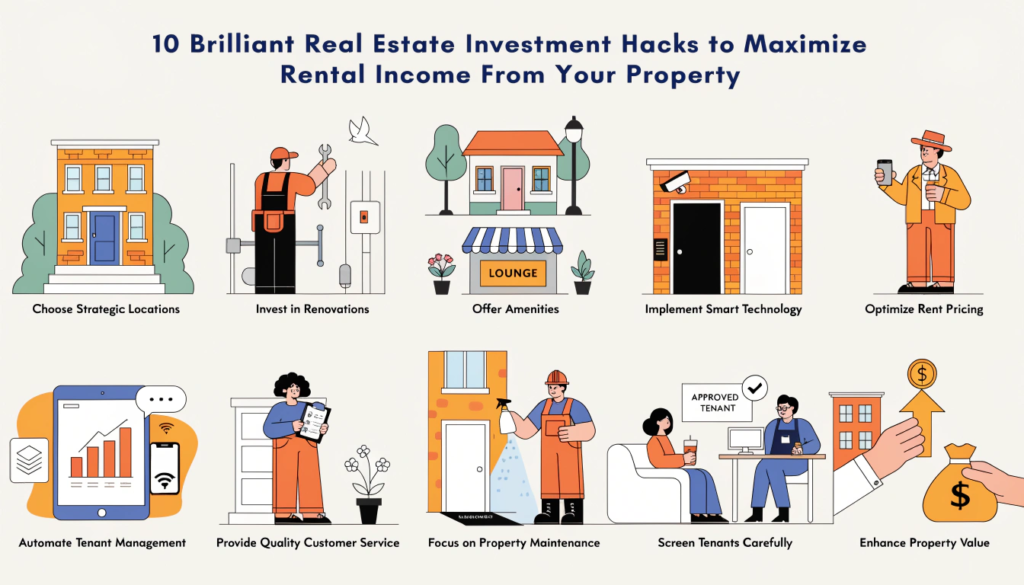
    Analyze Rental Demand in the Area

    Rental demand plays a crucial role in determining the success of your investment property. A property located in an area with high rental demand is more likely to generate consistent income. Look for locations near schools, universities, public transportation, and business districts.

    These areas usually attract tenants who are looking for convenient living options. High demand reduces vacancy rates and ensures a steady flow of rental income. Beginners should pay close attention to vacancy trends and rental price averages in their target area.

    By choosing a location with strong rental demand, you significantly increase the chances of maintaining consistent occupancy and stable cash flow.


    Evaluate Property Condition Carefully

    The condition of a property directly affects your investment returns. A property that appears affordable may require expensive repairs and renovations. Always conduct a thorough inspection before purchasing any real estate investment.

    Look for issues related to plumbing, roofing, electrical systems, and structural damage. Hiring a professional inspector can help you identify hidden problems that might not be visible during a casual walkthrough.

    Understanding the true condition of the property allows you to estimate renovation costs accurately. This step protects you from unexpected expenses and ensures that your investment remains profitable.

    Calculate Potential Return on Investment

    Successful investors always analyze the financial potential of a property before purchasing it. Calculating the return on investment helps you determine whether the property will generate enough income to justify the purchase price.

    Consider factors such as rental income, operating expenses, maintenance costs, and mortgage payments. Subtracting expenses from expected rental income gives you a clear idea of your potential profit.

    This financial analysis helps beginners avoid emotional decisions. Instead of buying based on appearance alone, you can focus on properties that offer strong financial performance.

    Look for Growth and Development Opportunities

    Areas undergoing development often provide excellent investment opportunities. New infrastructure projects, shopping centers, schools, and transportation systems can significantly increase property values over time.

    When a neighborhood experiences economic growth, it attracts new residents and businesses. This demand drives both property appreciation and rental income.

    Investors who identify emerging areas early can benefit from lower purchase prices and long-term value growth. Keeping an eye on future development plans can give you a competitive advantage in the real estate market.

    Understand Property Management Responsibilities

    Owning rental property involves ongoing responsibilities such as maintenance, tenant communication, and rent collection. Beginners should decide whether they want to manage the property themselves or hire a professional property management company.

    Self-management can save money but requires time and effort. Property managers handle tenant issues, maintenance, and legal compliance, but they charge management fees.

    Understanding these responsibilities helps you choose the management approach that fits your lifestyle and investment strategy.

    Networking is a valuable tool in real estate investing. Building relationships with real estate agents, property managers, contractors, and other investors can open doors to valuable opportunities.

    Experienced professionals often share insights about market trends, off-market deals, and investment strategies. Their knowledge can help beginners avoid costly mistakes.

    A strong network also makes it easier to find reliable service providers for property maintenance and renovations. Surrounding yourself with knowledgeable professionals strengthens your investment journey.

    Work With an Experienced Real Estate Agent

    A knowledgeable real estate agent can guide beginners through the complex property buying process. Agents understand local market trends and can help you identify properties that match your investment goals.

    They also assist with negotiations, paperwork, and legal requirements. This support reduces the stress associated with purchasing an investment property.

    Choosing an agent with experience in investment properties ensures that you receive valuable advice throughout the buying process.

    Study Comparable Property Sales

    Analyzing comparable property sales helps you determine whether a property is priced fairly. By reviewing similar properties that have recently sold in the area, you can estimate the true market value of the property you are considering.

    This comparison also helps you predict future resale value and rental income potential. Investors often rely on comparable sales to avoid overpaying for properties.

    Understanding local price trends ensures that you make a well-informed investment decision.

    Consider Long-Term Appreciation Potential

    While rental income is important, property appreciation can significantly increase your wealth over time. Look for neighborhoods where property values have steadily increased in recent years.

    Factors such as economic growth, infrastructure improvements, and population growth contribute to long-term appreciation.

    Investing in areas with strong growth potential allows you to benefit from both rental income and property value increases.

    Understand Legal and Zoning Regulations

    Every property is subject to local laws and zoning regulations. These rules determine how the property can be used and what modifications are allowed.

    For example, some areas restrict short-term rentals or limit certain types of property renovations. Understanding these regulations helps you avoid legal complications.

    Consulting with professionals ensures that your investment complies with all legal requirements.

    Plan for Unexpected Expenses

    Unexpected costs are common in real estate investing. Repairs, maintenance, and tenant turnover can create additional expenses.

    Setting aside an emergency fund helps you handle these situations without financial stress. Many investors recommend saving at least three to six months of operating expenses.

    Proper financial preparation protects your investment and ensures long-term stability.

    Evaluate Neighborhood Safety and Amenities

    Tenants prefer neighborhoods that offer safety and convenient amenities. Schools, parks, shopping centers, and public transportation all contribute to a property’s attractiveness.

    Properties located in desirable neighborhoods often experience lower vacancy rates and higher rental demand.

    Evaluating these factors helps you select properties that appeal to potential tenants.

    Inspect Rental Price Trends

    Understanding rental price trends helps you estimate potential income. Reviewing historical rental data allows you to see how rents have changed over time.

    Areas with steady rental growth provide stronger income opportunities for investors.

    Accurate rental projections ensure that your investment generates the expected cash flow.

    Be Patient and Avoid Rushing

    Beginners sometimes rush into property purchases due to excitement or fear of missing out. However, patience is essential in real estate investing.

    Take time to evaluate multiple properties before making a decision. Careful analysis increases the likelihood of finding a profitable investment opportunity.

    Patience often leads to better deals and stronger long-term results.

    Learn From Experienced Investors

    Successful investors often share valuable insights and lessons learned from their experiences. Reading books, attending seminars, and joining investment groups can expand your knowledge.

    Learning from others helps beginners avoid common mistakes and develop effective investment strategies.

    Continuous education is a key factor in long-term success in real estate investing.

    Start Small and Scale Gradually

    For beginners, starting with a smaller investment property can be a smart strategy. Managing a single property allows you to gain experience without overwhelming financial risk.

    As you learn more about property management and market trends, you can gradually expand your investment portfolio.

    Scaling slowly helps you build confidence and develop a sustainable real estate business.

    Conclusion

    Finding the perfect real estate investment property requires careful planning, research, and patience. Beginners who follow a structured approach are more likely to identify profitable opportunities and avoid costly mistakes. By understanding market trends, evaluating property conditions, analyzing financial potential, and building strong professional networks, investors can create a solid foundation for long-term success.

    Real estate investing is not just about buying property—it’s about making informed decisions that support your financial goals. With the right knowledge and preparation, even beginners can successfully enter the real estate market and build a profitable investment portfolio.

    FAQs

    What is the best type of property for beginner investors?
    Single-family homes are often recommended for beginners because they are easier to manage and have consistent demand.

    How much money do I need to start investing in real estate?
    The required amount varies depending on location and financing options, but most investors need funds for a down payment and closing costs.

    Is rental income a reliable source of profit?
    Yes, rental income can provide steady cash flow if the property is located in an area with strong rental demand.

    Should beginners hire a property manager?
    It depends on your availability and experience. Property managers can handle tenant issues and maintenance but charge management fees.

    How can I reduce risk in real estate investing?
    Conduct thorough research, analyze financial returns, inspect properties carefully, and maintain an emergency fund for unexpected expenses.


    Tags

    real estate investment, beginner real estate investing, property investment tips, rental property strategies, real estate investing guide, property investment for beginners, rental income strategies, real estate market research, property buying tips, real estate wealth building
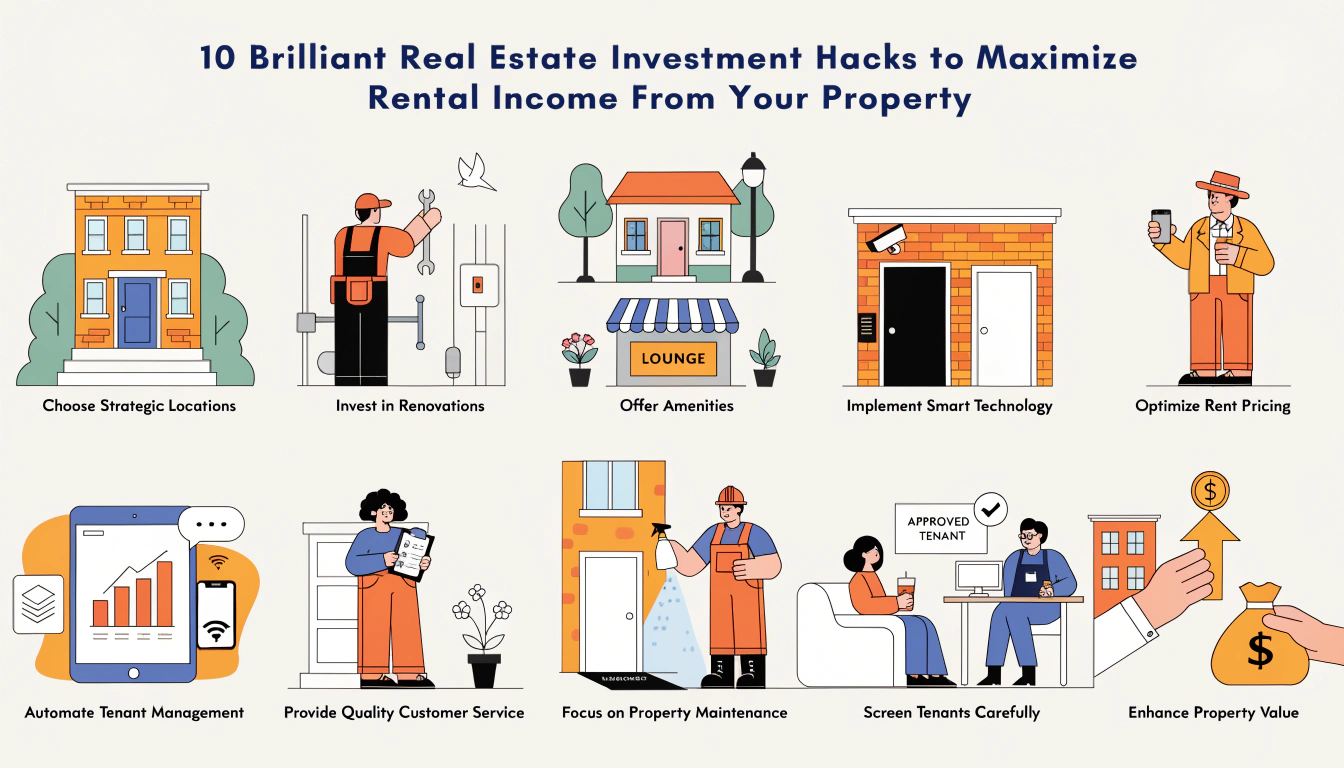

  • 10 Brilliant Real Estate Investment Hacks to Maximize Rental Income From Your Property

    10 Brilliant Real Estate Investment Hacks to Maximize Rental Income From Your Property

    Introduction

    Real estate has always been considered one of the most reliable ways to build wealth and create consistent cash flow. For many investors, rental properties offer a steady stream of income while the property itself grows in value over time. However, simply owning a rental property does not automatically guarantee strong profits. Smart investors know that maximizing rental income requires strategy, planning, and a deep understanding of the market.

    Property owners who learn how to optimize their rental income can significantly increase their returns without necessarily buying more properties. Small improvements, better tenant management, and thoughtful pricing strategies can transform an average rental property into a high-performing investment. Successful investors continuously analyze their properties and look for ways to increase both rent and property value.

    The good news is that maximizing rental income does not always require huge renovations or expensive upgrades. Many practical strategies can help landlords generate more income while keeping tenants satisfied and maintaining property value. In this guide, we will explore powerful real estate investment hacks that can help property owners increase their rental income and strengthen their long-term financial success.

    Understanding the Importance of Rental Income Optimization

    Rental income is the foundation of most real estate investment strategies. Investors rely on monthly rent payments to cover mortgage expenses, property taxes, insurance costs, and maintenance fees. When rental income is optimized, property owners enjoy better cash flow and stronger long-term profitability.

    Many investors make the mistake of focusing only on property appreciation while ignoring opportunities to improve rental performance. However, increasing rental income can dramatically boost the return on investment over time. A well-managed rental property can provide financial stability even during uncertain economic conditions.

    Optimizing rental income involves thoughtful pricing, strategic upgrades, and effective tenant management. By carefully analyzing these factors, property owners can turn ordinary rental properties into powerful wealth-building assets.

    Choosing the Right Property Location

    Location plays a crucial role in determining rental income potential. Properties located near schools, universities, business centers, public transportation, and shopping areas tend to attract more tenants and command higher rent prices. Renters are willing to pay more for convenience and accessibility.

    Investors who carefully research neighborhoods before purchasing property often experience higher rental demand. Areas with growing populations and expanding job markets usually create strong rental markets. These locations not only generate higher rent but also experience steady property value growth.

    Selecting the right location from the beginning gives investors a significant advantage. Even small properties in desirable neighborhoods can outperform larger homes in less attractive areas.

    Setting Competitive Yet Profitable Rental Prices

    Setting the right rental price is essential for maximizing income. Charging too much can drive potential tenants away, while charging too little reduces overall profitability. Smart landlords analyze local market rates before deciding on rental prices.

    Studying nearby rental listings helps investors understand what tenants are willing to pay for similar properties. Factors such as property size, condition, amenities, and location influence pricing decisions. A competitive rental rate attracts more applicants and reduces vacancy periods.

    Regularly reviewing rental prices also allows landlords to adjust rates as the market changes. This ensures that the property continues generating optimal income.

    Upgrading Key Property Features

    Strategic property upgrades can significantly increase rental income. Improvements such as modern kitchens, updated bathrooms, energy-efficient appliances, and fresh paint make properties more attractive to renters.

    Tenants often prefer homes that feel modern, comfortable, and well-maintained. Small upgrades can create a strong first impression and justify higher rent prices. Investors who focus on high-impact improvements usually see the best return on investment.

    These upgrades also help maintain property value and attract responsible tenants who appreciate quality living spaces.

    Reducing Vacancy Periods

    Vacancy periods can reduce rental income significantly. Every month without a tenant means lost revenue and ongoing expenses for the property owner. Successful landlords focus on minimizing vacancy through effective marketing and tenant retention.

    Listing properties on multiple rental platforms and using professional photos can attract more potential renters. Clear descriptions and prompt communication also help fill vacancies faster.

    Additionally, maintaining good relationships with tenants encourages lease renewals. Keeping reliable tenants reduces turnover and ensures consistent income.

    Offering Flexible Lease Options

    Flexible lease agreements can help landlords attract a wider range of tenants. Some renters prefer shorter leases, while others seek long-term stability. Offering options such as six-month or twelve-month leases can increase demand.

    Corporate professionals, students, and temporary workers often look for flexible rental terms. By accommodating these needs, landlords can expand their tenant pool and reduce vacancy risks.

    Flexibility in lease terms can also allow landlords to adjust rental rates more frequently based on market conditions.

    Furnishing Rental Units for Higher Income

    Furnished rental properties often command higher rental prices than unfurnished units. This strategy works particularly well in areas with high numbers of students, business travelers, or short-term residents.

    Providing essential furniture such as beds, sofas, dining tables, and appliances makes the property move-in ready. Tenants who need convenience are often willing to pay extra for furnished accommodations.

    Although furnishing requires an initial investment, the increased rental income can quickly recover those costs.

    Allowing Pet-Friendly Rentals

    Many landlords restrict pets, but allowing pets can increase rental income and attract more tenants. Pet owners often struggle to find suitable housing, so they are willing to pay higher rent or additional pet fees.

    Pet deposits or monthly pet rent can provide extra income for landlords. Proper screening and clear pet policies help prevent property damage.

    By accommodating responsible pet owners, landlords can fill vacancies faster and increase overall rental revenue.

    Improving Property Curb Appeal

    First impressions matter when attracting tenants. A property with appealing landscaping, clean entrances, and well-maintained exteriors instantly attracts more interest.

    Simple improvements such as fresh paint, trimmed lawns, and updated lighting can enhance the property’s appearance. Tenants often associate attractive exteriors with good property management.

    Improving curb appeal not only attracts more tenants but also justifies higher rental prices.

    Providing Modern Amenities

    Modern renters often look for convenient features that improve their daily lives. High-speed internet access, smart home devices, secure parking, and laundry facilities can make a property more desirable.

    Properties that offer additional amenities stand out in competitive rental markets. Tenants are often willing to pay more for convenience and comfort.

    Adding modern amenities can transform an ordinary rental property into a premium rental option.

    Maintaining Excellent Property Condition

    Well-maintained properties attract better tenants and reduce long-term repair costs. Regular inspections and timely maintenance ensure that the property remains safe and comfortable.

    Tenants are more likely to stay longer in homes that are properly maintained. Long-term tenants reduce turnover costs and provide consistent rental income.

    Investors who prioritize maintenance protect both their rental income and property value.

    Screening Tenants Carefully

    Reliable tenants are essential for stable rental income. Careful tenant screening helps landlords identify responsible renters who pay rent on time and respect the property.

    Background checks, credit evaluations, and employment verification help landlords make informed decisions. Selecting the right tenants reduces the risk of late payments and property damage.

    Strong tenant relationships also improve the overall rental experience for both parties.

    Encouraging Long-Term Tenants

    Long-term tenants provide financial stability and reduce vacancy periods. Landlords can encourage lease renewals by offering small incentives such as minor upgrades or stable rent increases.

    Maintaining open communication and responding quickly to tenant concerns also builds trust. Happy tenants are more likely to remain in the property for many years.

    Tenant retention reduces marketing costs and ensures consistent rental income.

    Marketing Rental Properties Effectively

    Effective marketing is essential for attracting quality tenants quickly. High-quality photos, detailed descriptions, and accurate property information help listings stand out.

    Online rental platforms and social media marketing can reach a larger audience. Professional property presentation creates a positive impression and increases interest.

    Strong marketing strategies reduce vacancy time and improve rental income potential.

    Understanding Local Rental Market Trends

    Successful landlords monitor rental market trends regularly. Changes in local employment rates, population growth, and housing demand can influence rental prices.

    Understanding these trends allows landlords to adjust rental rates strategically. Investors who stay informed can respond quickly to market changes.

    This awareness helps maximize rental income while remaining competitive in the market.

    Offering Additional Services

    Some landlords increase income by offering optional services such as cleaning, storage spaces, or parking rentals. These additional features can generate extra revenue while improving tenant satisfaction.

    Tenants often appreciate convenience and may be willing to pay for services that simplify their lifestyle.

    Additional services can create new income streams from existing properties.

    Using Professional Property Management

    Property management companies can help landlords optimize rental performance. These professionals handle tenant screening, maintenance coordination, rent collection, and marketing.

    Experienced property managers understand market conditions and pricing strategies. Their expertise often leads to higher occupancy rates and better tenant relationships.

    Although management services require fees, the improved efficiency and income potential can outweigh the costs.

    Renovating Older Properties Strategically

    Older properties can become profitable rental investments with thoughtful renovations. Upgrading outdated features, improving energy efficiency, and modernizing interiors can significantly increase rental value.

    Investors who renovate wisely often achieve higher rent prices and attract better tenants.

    Strategic renovations transform aging properties into competitive rental homes.

    Reinvesting Rental Profits

    Reinvesting rental income into property improvements or additional investments helps investors grow their wealth faster. Many successful landlords continuously upgrade their properties using rental profits.

    These improvements increase property value and justify higher rent prices over time.

    Reinvestment allows investors to expand their portfolios while strengthening existing properties.

    Maintaining Strong Financial Planning

    Effective financial management is essential for maximizing rental income. Investors must track expenses, monitor cash flow, and plan for future repairs.

    Setting aside reserves for maintenance and emergencies prevents financial stress.

    Careful financial planning ensures that rental properties remain profitable and sustainable long term.

    Staying Patient and Consistent

    Real estate investing rewards patience and consistency. Rental income may grow gradually as properties improve and market demand increases.

    Investors who remain disciplined and committed to long-term strategies often experience the greatest success.

    Consistency in property management, tenant relationships, and investment planning leads to stable and growing rental income.

    Conclusion

    Maximizing rental income requires more than simply owning a property. Successful investors continuously look for ways to improve property value, attract quality tenants, and reduce vacancy periods. Strategic upgrades, smart pricing, and effective property management can significantly increase rental profits over time.

    By applying these real estate investment hacks, landlords can turn ordinary rental properties into strong income-generating assets. With patience, planning, and consistent effort, rental properties can become a powerful tool for building long-term financial security.

    FAQs

    How can landlords increase rental income quickly?
    Landlords can increase rental income by upgrading key property features, adjusting rental prices based on market rates, and reducing vacancy periods.

    Is furnishing a rental property profitable?
    Yes, furnished rentals often attract higher-paying tenants, especially in cities with students, professionals, or short-term renters.

    Why is tenant screening important?
    Tenant screening helps landlords select responsible renters who pay on time and maintain the property properly.

    Can small renovations increase rent prices?
    Yes, improvements such as modern kitchens, fresh paint, and updated appliances can justify higher rental rates.

    Should landlords hire property management companies?
    Property management companies can help landlords handle daily tasks and improve rental efficiency, especially for investors with multiple properties.