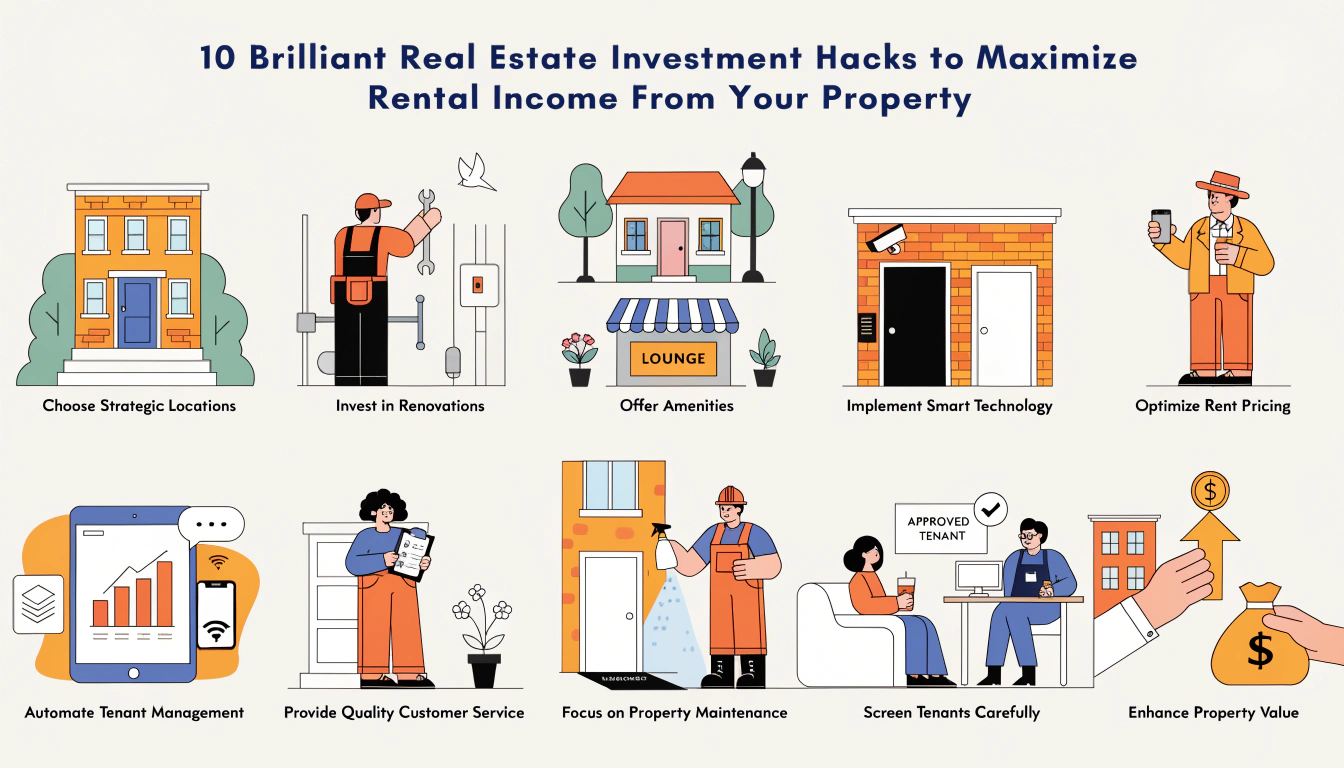
Introduction
Real estate has always been considered one of the most reliable ways to build wealth and create consistent cash flow. For many investors, rental properties offer a steady stream of income while the property itself grows in value over time. However, simply owning a rental property does not automatically guarantee strong profits. Smart investors know that maximizing rental income requires strategy, planning, and a deep understanding of the market.
Property owners who learn how to optimize their rental income can significantly increase their returns without necessarily buying more properties. Small improvements, better tenant management, and thoughtful pricing strategies can transform an average rental property into a high-performing investment. Successful investors continuously analyze their properties and look for ways to increase both rent and property value.
The good news is that maximizing rental income does not always require huge renovations or expensive upgrades. Many practical strategies can help landlords generate more income while keeping tenants satisfied and maintaining property value. In this guide, we will explore powerful real estate investment hacks that can help property owners increase their rental income and strengthen their long-term financial success.
Understanding the Importance of Rental Income Optimization
Rental income is the foundation of most real estate investment strategies. Investors rely on monthly rent payments to cover mortgage expenses, property taxes, insurance costs, and maintenance fees. When rental income is optimized, property owners enjoy better cash flow and stronger long-term profitability.
Many investors make the mistake of focusing only on property appreciation while ignoring opportunities to improve rental performance. However, increasing rental income can dramatically boost the return on investment over time. A well-managed rental property can provide financial stability even during uncertain economic conditions.
Optimizing rental income involves thoughtful pricing, strategic upgrades, and effective tenant management. By carefully analyzing these factors, property owners can turn ordinary rental properties into powerful wealth-building assets.
Choosing the Right Property Location
Location plays a crucial role in determining rental income potential. Properties located near schools, universities, business centers, public transportation, and shopping areas tend to attract more tenants and command higher rent prices. Renters are willing to pay more for convenience and accessibility.
Investors who carefully research neighborhoods before purchasing property often experience higher rental demand. Areas with growing populations and expanding job markets usually create strong rental markets. These locations not only generate higher rent but also experience steady property value growth.
Selecting the right location from the beginning gives investors a significant advantage. Even small properties in desirable neighborhoods can outperform larger homes in less attractive areas.
Setting Competitive Yet Profitable Rental Prices
Setting the right rental price is essential for maximizing income. Charging too much can drive potential tenants away, while charging too little reduces overall profitability. Smart landlords analyze local market rates before deciding on rental prices.
Studying nearby rental listings helps investors understand what tenants are willing to pay for similar properties. Factors such as property size, condition, amenities, and location influence pricing decisions. A competitive rental rate attracts more applicants and reduces vacancy periods.
Regularly reviewing rental prices also allows landlords to adjust rates as the market changes. This ensures that the property continues generating optimal income.
Upgrading Key Property Features
Strategic property upgrades can significantly increase rental income. Improvements such as modern kitchens, updated bathrooms, energy-efficient appliances, and fresh paint make properties more attractive to renters.
Tenants often prefer homes that feel modern, comfortable, and well-maintained. Small upgrades can create a strong first impression and justify higher rent prices. Investors who focus on high-impact improvements usually see the best return on investment.
These upgrades also help maintain property value and attract responsible tenants who appreciate quality living spaces.
Reducing Vacancy Periods
Vacancy periods can reduce rental income significantly. Every month without a tenant means lost revenue and ongoing expenses for the property owner. Successful landlords focus on minimizing vacancy through effective marketing and tenant retention.
Listing properties on multiple rental platforms and using professional photos can attract more potential renters. Clear descriptions and prompt communication also help fill vacancies faster.
Additionally, maintaining good relationships with tenants encourages lease renewals. Keeping reliable tenants reduces turnover and ensures consistent income.
Offering Flexible Lease Options
Flexible lease agreements can help landlords attract a wider range of tenants. Some renters prefer shorter leases, while others seek long-term stability. Offering options such as six-month or twelve-month leases can increase demand.
Corporate professionals, students, and temporary workers often look for flexible rental terms. By accommodating these needs, landlords can expand their tenant pool and reduce vacancy risks.
Flexibility in lease terms can also allow landlords to adjust rental rates more frequently based on market conditions.
Furnishing Rental Units for Higher Income
Furnished rental properties often command higher rental prices than unfurnished units. This strategy works particularly well in areas with high numbers of students, business travelers, or short-term residents.
Providing essential furniture such as beds, sofas, dining tables, and appliances makes the property move-in ready. Tenants who need convenience are often willing to pay extra for furnished accommodations.
Although furnishing requires an initial investment, the increased rental income can quickly recover those costs.
Allowing Pet-Friendly Rentals
Many landlords restrict pets, but allowing pets can increase rental income and attract more tenants. Pet owners often struggle to find suitable housing, so they are willing to pay higher rent or additional pet fees.
Pet deposits or monthly pet rent can provide extra income for landlords. Proper screening and clear pet policies help prevent property damage.
By accommodating responsible pet owners, landlords can fill vacancies faster and increase overall rental revenue.

Improving Property Curb Appeal
First impressions matter when attracting tenants. A property with appealing landscaping, clean entrances, and well-maintained exteriors instantly attracts more interest.
Simple improvements such as fresh paint, trimmed lawns, and updated lighting can enhance the property’s appearance. Tenants often associate attractive exteriors with good property management.
Improving curb appeal not only attracts more tenants but also justifies higher rental prices.
Providing Modern Amenities
Modern renters often look for convenient features that improve their daily lives. High-speed internet access, smart home devices, secure parking, and laundry facilities can make a property more desirable.
Properties that offer additional amenities stand out in competitive rental markets. Tenants are often willing to pay more for convenience and comfort.
Adding modern amenities can transform an ordinary rental property into a premium rental option.
Maintaining Excellent Property Condition
Well-maintained properties attract better tenants and reduce long-term repair costs. Regular inspections and timely maintenance ensure that the property remains safe and comfortable.
Tenants are more likely to stay longer in homes that are properly maintained. Long-term tenants reduce turnover costs and provide consistent rental income.
Investors who prioritize maintenance protect both their rental income and property value.
Screening Tenants Carefully
Reliable tenants are essential for stable rental income. Careful tenant screening helps landlords identify responsible renters who pay rent on time and respect the property.
Background checks, credit evaluations, and employment verification help landlords make informed decisions. Selecting the right tenants reduces the risk of late payments and property damage.
Strong tenant relationships also improve the overall rental experience for both parties.
Encouraging Long-Term Tenants
Long-term tenants provide financial stability and reduce vacancy periods. Landlords can encourage lease renewals by offering small incentives such as minor upgrades or stable rent increases.
Maintaining open communication and responding quickly to tenant concerns also builds trust. Happy tenants are more likely to remain in the property for many years.
Tenant retention reduces marketing costs and ensures consistent rental income.
Marketing Rental Properties Effectively
Effective marketing is essential for attracting quality tenants quickly. High-quality photos, detailed descriptions, and accurate property information help listings stand out.
Online rental platforms and social media marketing can reach a larger audience. Professional property presentation creates a positive impression and increases interest.
Strong marketing strategies reduce vacancy time and improve rental income potential.
Understanding Local Rental Market Trends
Successful landlords monitor rental market trends regularly. Changes in local employment rates, population growth, and housing demand can influence rental prices.
Understanding these trends allows landlords to adjust rental rates strategically. Investors who stay informed can respond quickly to market changes.
This awareness helps maximize rental income while remaining competitive in the market.
Offering Additional Services
Some landlords increase income by offering optional services such as cleaning, storage spaces, or parking rentals. These additional features can generate extra revenue while improving tenant satisfaction.
Tenants often appreciate convenience and may be willing to pay for services that simplify their lifestyle.
Additional services can create new income streams from existing properties.
Using Professional Property Management
Property management companies can help landlords optimize rental performance. These professionals handle tenant screening, maintenance coordination, rent collection, and marketing.
Experienced property managers understand market conditions and pricing strategies. Their expertise often leads to higher occupancy rates and better tenant relationships.
Although management services require fees, the improved efficiency and income potential can outweigh the costs.
Renovating Older Properties Strategically
Older properties can become profitable rental investments with thoughtful renovations. Upgrading outdated features, improving energy efficiency, and modernizing interiors can significantly increase rental value.
Investors who renovate wisely often achieve higher rent prices and attract better tenants.
Strategic renovations transform aging properties into competitive rental homes.
Reinvesting Rental Profits
Reinvesting rental income into property improvements or additional investments helps investors grow their wealth faster. Many successful landlords continuously upgrade their properties using rental profits.
These improvements increase property value and justify higher rent prices over time.
Reinvestment allows investors to expand their portfolios while strengthening existing properties.
Maintaining Strong Financial Planning
Effective financial management is essential for maximizing rental income. Investors must track expenses, monitor cash flow, and plan for future repairs.
Setting aside reserves for maintenance and emergencies prevents financial stress.
Careful financial planning ensures that rental properties remain profitable and sustainable long term.
Staying Patient and Consistent
Real estate investing rewards patience and consistency. Rental income may grow gradually as properties improve and market demand increases.
Investors who remain disciplined and committed to long-term strategies often experience the greatest success.
Consistency in property management, tenant relationships, and investment planning leads to stable and growing rental income.
Conclusion
Maximizing rental income requires more than simply owning a property. Successful investors continuously look for ways to improve property value, attract quality tenants, and reduce vacancy periods. Strategic upgrades, smart pricing, and effective property management can significantly increase rental profits over time.
By applying these real estate investment hacks, landlords can turn ordinary rental properties into strong income-generating assets. With patience, planning, and consistent effort, rental properties can become a powerful tool for building long-term financial security.
FAQs
How can landlords increase rental income quickly?
Landlords can increase rental income by upgrading key property features, adjusting rental prices based on market rates, and reducing vacancy periods.
Is furnishing a rental property profitable?
Yes, furnished rentals often attract higher-paying tenants, especially in cities with students, professionals, or short-term renters.
Why is tenant screening important?
Tenant screening helps landlords select responsible renters who pay on time and maintain the property properly.
Can small renovations increase rent prices?
Yes, improvements such as modern kitchens, fresh paint, and updated appliances can justify higher rental rates.
Should landlords hire property management companies?
Property management companies can help landlords handle daily tasks and improve rental efficiency, especially for investors with multiple properties.