Introduction
Buying a home is one of the most exciting milestones in a person’s life. It represents stability, financial growth, and the beginning of a new chapter. However, for many first-time buyers, the process can be overwhelming and full of unexpected challenges. Without proper knowledge and preparation, buyers often make costly mistakes that can affect their finances for years.
Real estate transactions involve large amounts of money, legal documentation, and long-term commitments. Even small errors during the home buying process can lead to significant financial losses. That is why experienced buyers and real estate professionals always emphasize the importance of careful planning and informed decision-making.
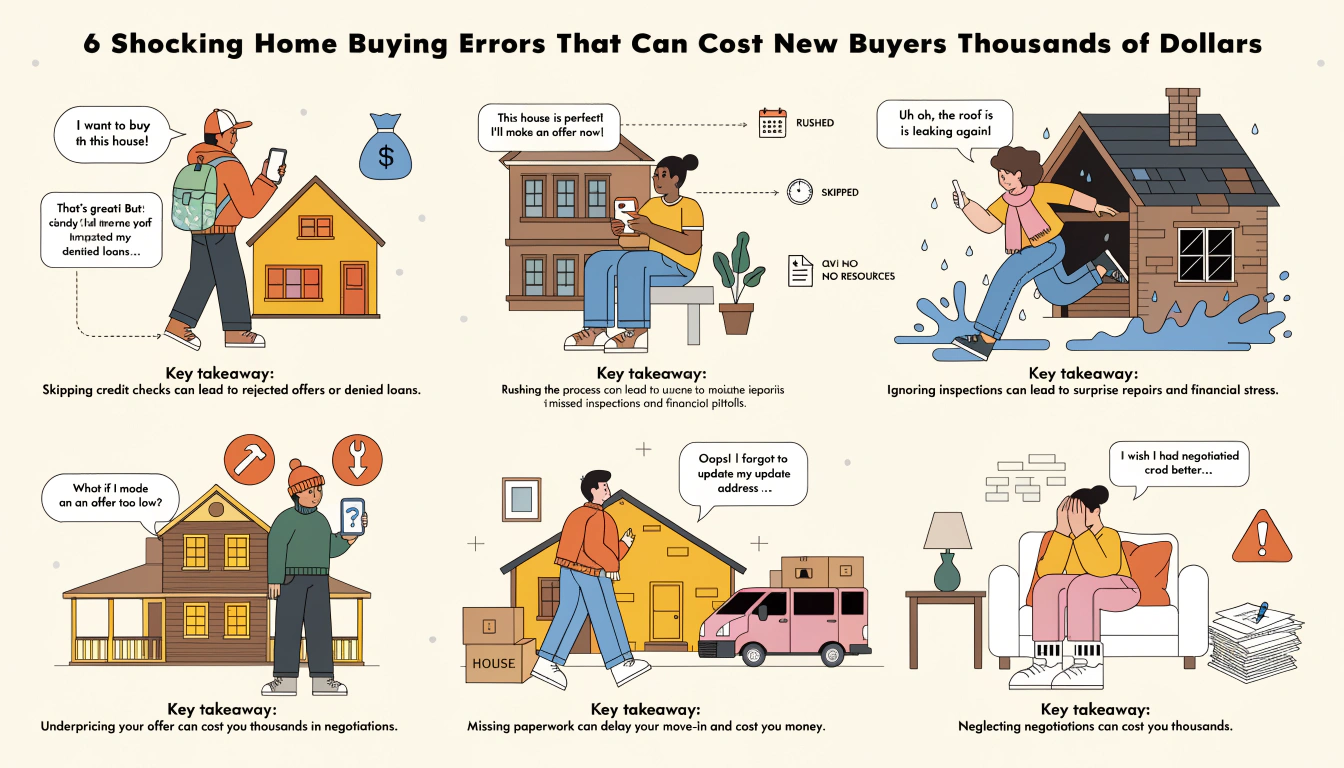
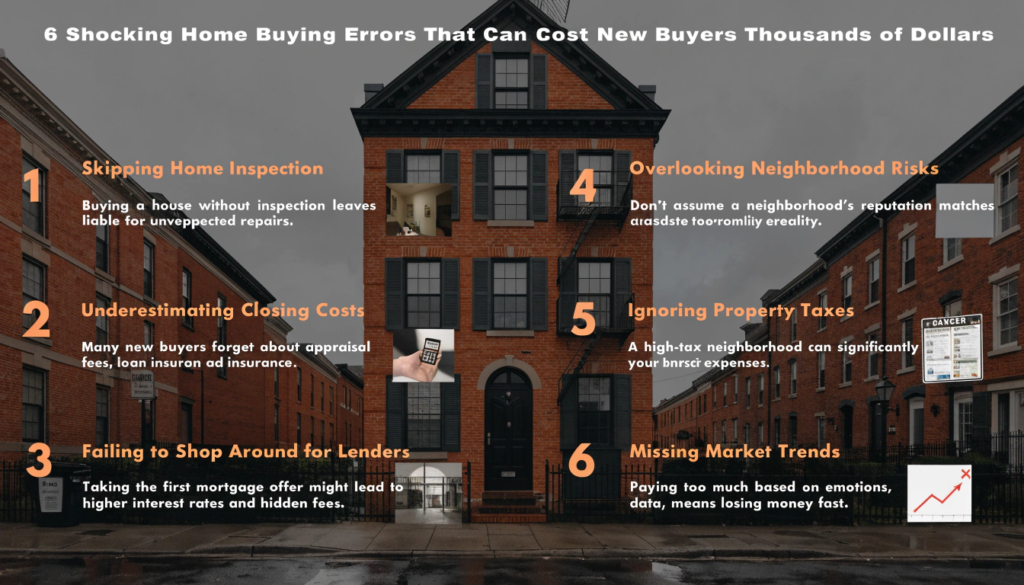
Understanding the most common home buying mistakes can help new buyers avoid unnecessary stress and protect their investment. In this article, we will explore several shocking home buying errors that can cost new buyers thousands of dollars and explain how to avoid them.
Ignoring Financial Preparation Before House Hunting
Many first-time buyers make the mistake of looking for homes before reviewing their financial situation. Without a clear understanding of income, savings, and debt levels, buyers may fall in love with properties they cannot realistically afford. This often leads to disappointment and wasted time during the home search process.
Financial preparation involves evaluating your credit score, calculating your monthly budget, and understanding how much you can comfortably spend on a mortgage. Buyers who skip this step may struggle to secure financing or end up with loan terms that are not favorable.
Proper preparation also includes saving for closing costs, inspections, and moving expenses. Taking the time to organize your finances before beginning the search can prevent many expensive mistakes later.
Skipping Mortgage Pre-Approval
Another common mistake is starting the home search without obtaining mortgage pre-approval. Pre-approval is a process where a lender reviews your financial information and determines how much they are willing to lend you. Without this step, buyers may waste time viewing homes that are outside their price range.
Mortgage pre-approval also strengthens your position when making an offer. Sellers are more likely to accept offers from buyers who have already been approved by a lender. It shows that the buyer is serious and financially prepared to complete the purchase.
Skipping this step can delay the buying process and may even cause buyers to lose a desirable property to another prepared buyer.
Underestimating the True Cost of Homeownership
Many buyers focus only on the price of the home and the monthly mortgage payment. However, homeownership includes many additional costs that can quickly add up. Property taxes, homeowners insurance, maintenance, repairs, and utilities all contribute to the overall expense.
Failing to consider these costs can put significant pressure on a household budget. Some buyers find themselves financially stretched after moving in, which can create long-term stress.
A smart buyer carefully calculates the total cost of owning a home before making a purchase. This ensures that the investment remains manageable and sustainable.
Not Hiring a Qualified Real Estate Agent
Trying to buy a home without professional guidance can lead to serious problems. Real estate agents have extensive knowledge of the market, pricing strategies, and negotiation techniques. Buyers who attempt to handle the process alone often miss important details.
An experienced agent can help identify fair property values, guide buyers through paperwork, and negotiate better terms with sellers. They can also identify potential issues that inexperienced buyers may overlook.
Without professional representation, buyers may overpay for a property or miss critical legal protections during the transaction.
Skipping the Home Inspection
One of the most dangerous mistakes in real estate is skipping the home inspection. A property may look perfect during a showing, but hidden issues can exist beneath the surface. Structural problems, plumbing issues, or electrical faults can cost thousands of dollars to repair.
A professional home inspection provides a detailed evaluation of the property’s condition. Inspectors identify potential problems that buyers may not notice during a walkthrough.
Skipping this step to save money or speed up the process can lead to major repair expenses after moving in.
Letting Emotions Control the Purchase
Buying a home is an emotional experience, but decisions driven purely by emotions can be risky. Some buyers become so attached to a property that they ignore warning signs or exceed their budget to secure the home.
Emotional buying can lead to overpaying or choosing a property that does not truly meet long-term needs. Buyers should approach the process with a balanced mindset and carefully evaluate each property.
Keeping financial goals and practical needs in focus helps buyers make better investment decisions.
Not Researching the Neighborhood
The quality of the neighborhood plays a significant role in a property’s long-term value and livability. Some buyers focus entirely on the house itself and forget to research the surrounding area.
Important factors include school quality, crime rates, transportation access, and future development plans. A beautiful home in a poorly located neighborhood may not hold its value over time.
Taking time to explore the area, visit at different times of the day, and speak with residents can provide valuable insights.
Overlooking Future Resale Value
Even if buyers plan to live in a home for many years, resale value should always be considered. Market conditions change, and unexpected life events may require selling the property sooner than expected.
Homes with desirable features such as good location, functional layouts, and nearby amenities tend to attract more buyers in the future.
Ignoring resale potential can make it harder to sell the property later or reduce the return on investment.
Making Large Purchases Before Closing
Some buyers make the mistake of purchasing furniture, cars, or other expensive items before closing on their home. These purchases can affect credit scores and debt-to-income ratios, which lenders carefully monitor.
Changes in financial circumstances during the loan approval process can cause lenders to reconsider or even cancel the mortgage approval.
Buyers should avoid making major financial changes until the home purchase is fully completed.
Failing to Read the Contract Carefully
Real estate contracts are complex legal documents that contain important details about the transaction. Some buyers sign paperwork without fully understanding the terms.
Contract clauses may include contingencies, deadlines, and responsibilities for both parties. Missing these details can create legal complications or unexpected financial obligations.
Carefully reviewing the contract with a real estate professional or attorney can prevent costly misunderstandings.
Overbidding in Competitive Markets
In competitive markets, buyers may feel pressure to submit very high offers to secure a property. While this may win the deal, it can also result in paying significantly more than the property’s true value.
Overbidding can create financial strain and reduce future investment returns. Buyers should base their offers on market research and professional advice rather than emotions.
Maintaining discipline during negotiations is essential for making smart investment decisions.
Ignoring Property Insurance Needs
Homeowners insurance protects buyers from unexpected disasters such as fires, storms, or theft. Some buyers overlook the importance of selecting adequate insurance coverage.
Choosing minimal coverage may save money initially but can create serious financial problems if damage occurs.
Carefully reviewing insurance policies ensures that the property is properly protected.
Not Understanding Closing Costs
Closing costs are an essential part of any real estate transaction. These costs include lender fees, title services, legal charges, and various administrative expenses.
Many first-time buyers are surprised by how much closing costs can add to the total purchase price. Without proper planning, these expenses can create financial stress.
Understanding these costs in advance allows buyers to prepare financially and avoid surprises.
Failing to Compare Mortgage Options
Not all mortgage loans are the same. Different lenders offer different interest rates, terms, and fees. Some buyers accept the first loan offer they receive without exploring alternatives.
Comparing multiple lenders can result in better interest rates and lower monthly payments. Even small differences in interest rates can save thousands of dollars over the life of the loan.
Smart buyers take time to research and compare financing options before making a decision.
Neglecting Property Maintenance Costs
Homeownership comes with ongoing maintenance responsibilities. Roof repairs, plumbing fixes, landscaping, and appliance replacements all require financial planning.
Buyers who fail to budget for maintenance may struggle when unexpected repairs occur.
Setting aside a maintenance fund helps homeowners handle these expenses without financial strain.
Rushing the Home Buying Process
Buying a home is a major financial decision that should never be rushed. Some buyers feel pressure to move quickly due to market competition or personal timelines.
Rushing can lead to overlooked details, poor negotiations, or selecting a property that does not fully meet expectations.
Taking the time to carefully evaluate options leads to better long-term outcomes.
Misjudging the Size of the Property
A property that appears spacious during a viewing may feel smaller after moving in. Buyers sometimes fail to consider their long-term space needs.
Growing families, home offices, and storage requirements can significantly affect living comfort.
Evaluating future lifestyle needs helps buyers choose a home that remains suitable over time.
Ignoring Local Market Trends
Real estate markets vary widely depending on location and economic conditions. Buyers who do not study market trends may overpay or purchase during unfavorable conditions.
Understanding whether the market favors buyers or sellers can influence negotiation strategies and pricing decisions.
Researching local trends provides valuable insights before making a purchase.
Not Planning for Long-Term Living Costs
In addition to mortgage payments, homeowners must plan for utilities, property taxes, association fees, and maintenance costs.
Ignoring these expenses can create financial strain after purchasing the property.
A realistic long-term financial plan ensures sustainable homeownership.
Failing to Seek Professional Advice
Buying a home involves legal, financial, and technical complexities. Professional guidance from real estate agents, inspectors, and financial advisors can prevent costly mistakes.
Experts provide valuable insights that help buyers make informed decisions throughout the process.
Seeking professional support increases confidence and reduces risks during the transaction.
Conclusion
Buying a home is one of the most significant financial decisions a person can make. While the process can be exciting, it also comes with potential pitfalls that can cost buyers thousands of dollars. Understanding common mistakes such as skipping inspections, ignoring financial preparation, or rushing the process can help buyers avoid serious problems.
With careful planning, professional guidance, and thorough research, new buyers can make smarter decisions and protect their investment. A well-informed approach ensures that homeownership becomes a rewarding and financially sound experience.
FAQs
What is the biggest mistake first-time homebuyers make?
One of the biggest mistakes is failing to prepare financially and not understanding the full cost of homeownership.
Why is a home inspection important?
A home inspection identifies hidden problems in the property that could require expensive repairs after purchase.
How much should buyers save before purchasing a home?
Buyers should save for a down payment, closing costs, and an emergency fund for maintenance and repairs.
Can buying a home without an agent be risky?
Yes, without professional guidance buyers may miss important details or overpay for a property.
What should buyers check before choosing a neighborhood?
Buyers should review school quality, safety, amenities, transportation access, and future development plans.
Tags
home buying mistakes
first time home buyer tips
real estate investment guide
property buying tips
real estate advice
home purchase guide
real estate mistakes to avoid
Leave a Reply